Meeting topic:
Producer marketing problems, the cost–price imbalance and state support mechanisms
Meeting agenda
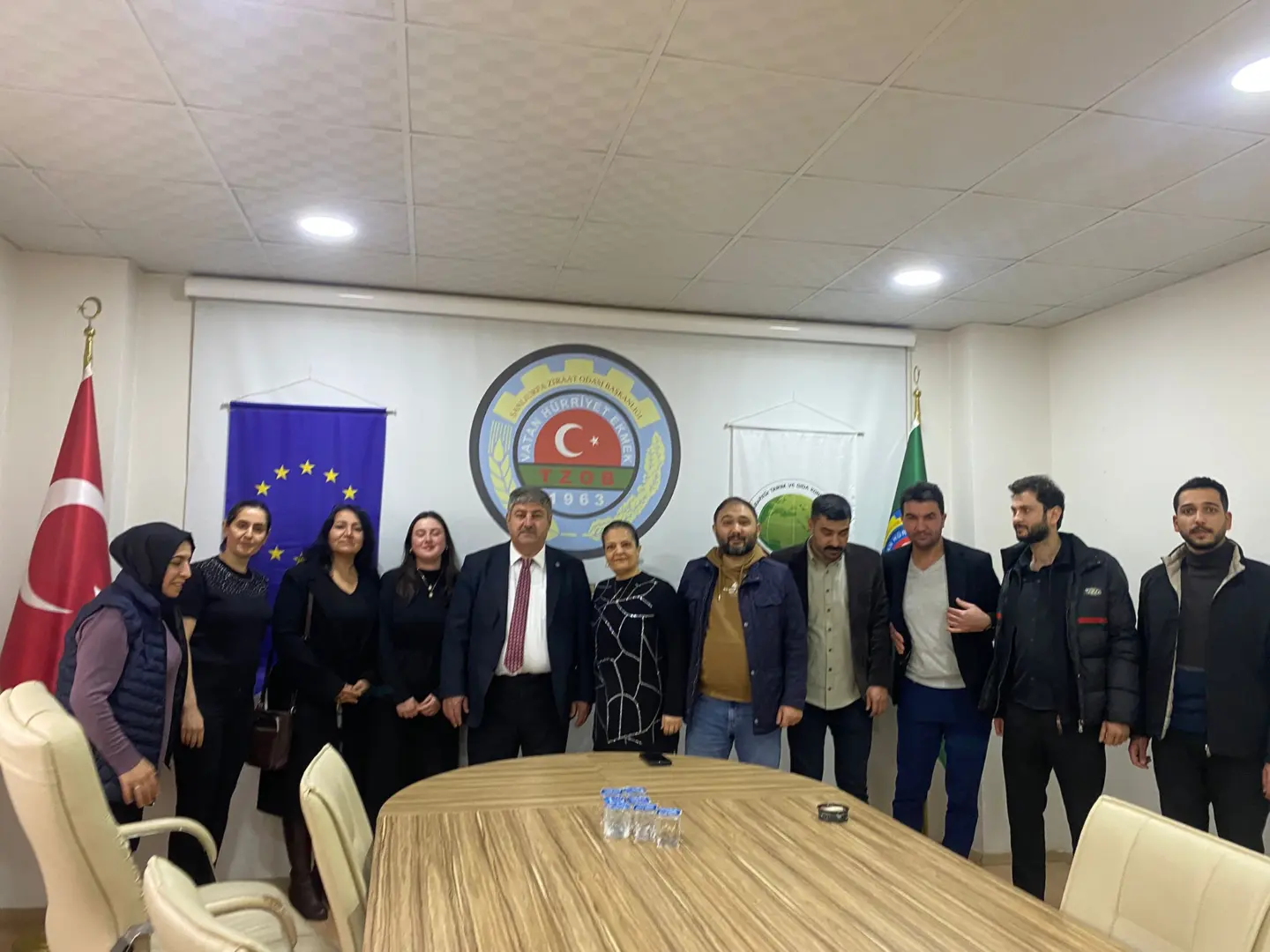
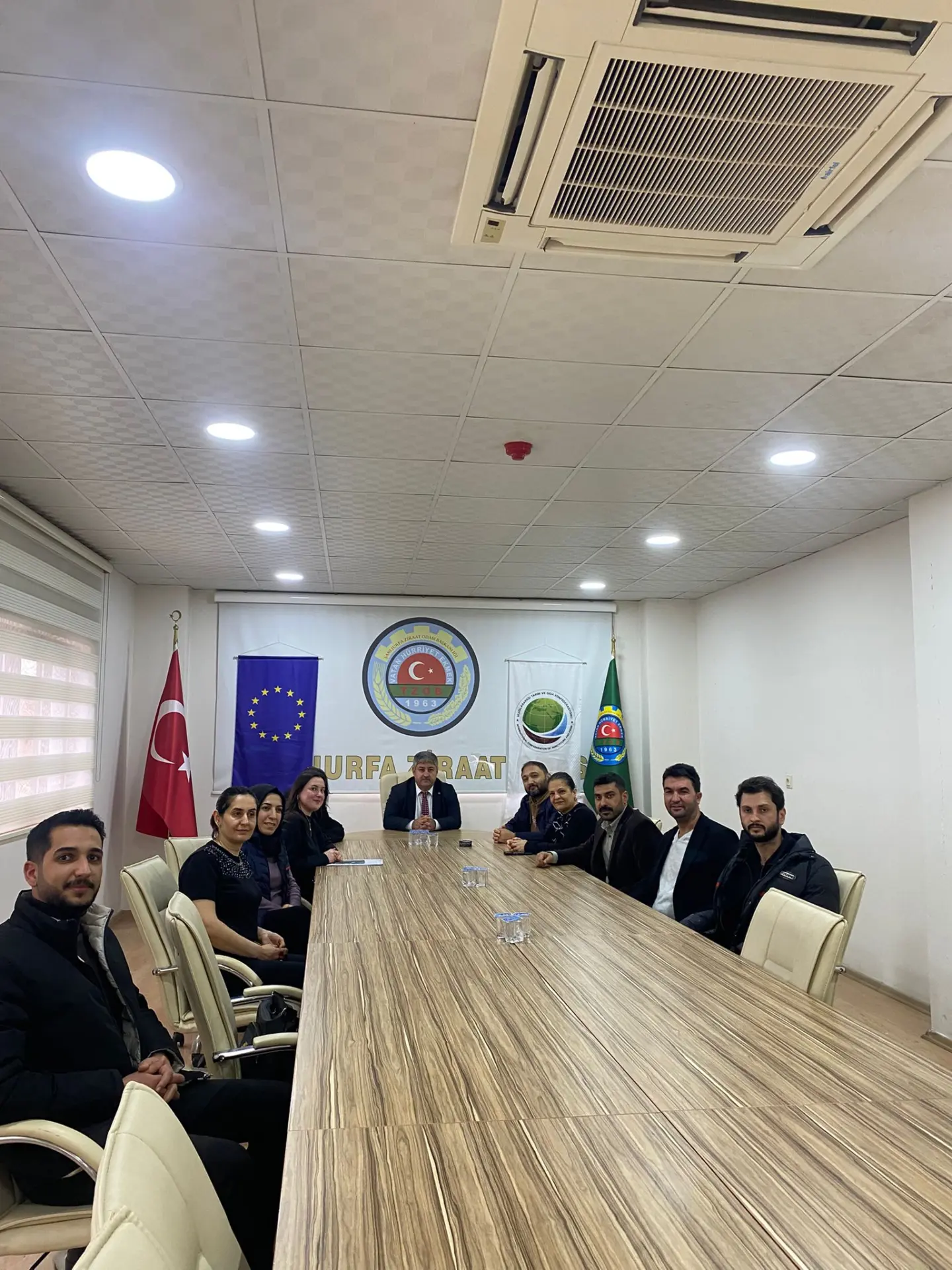
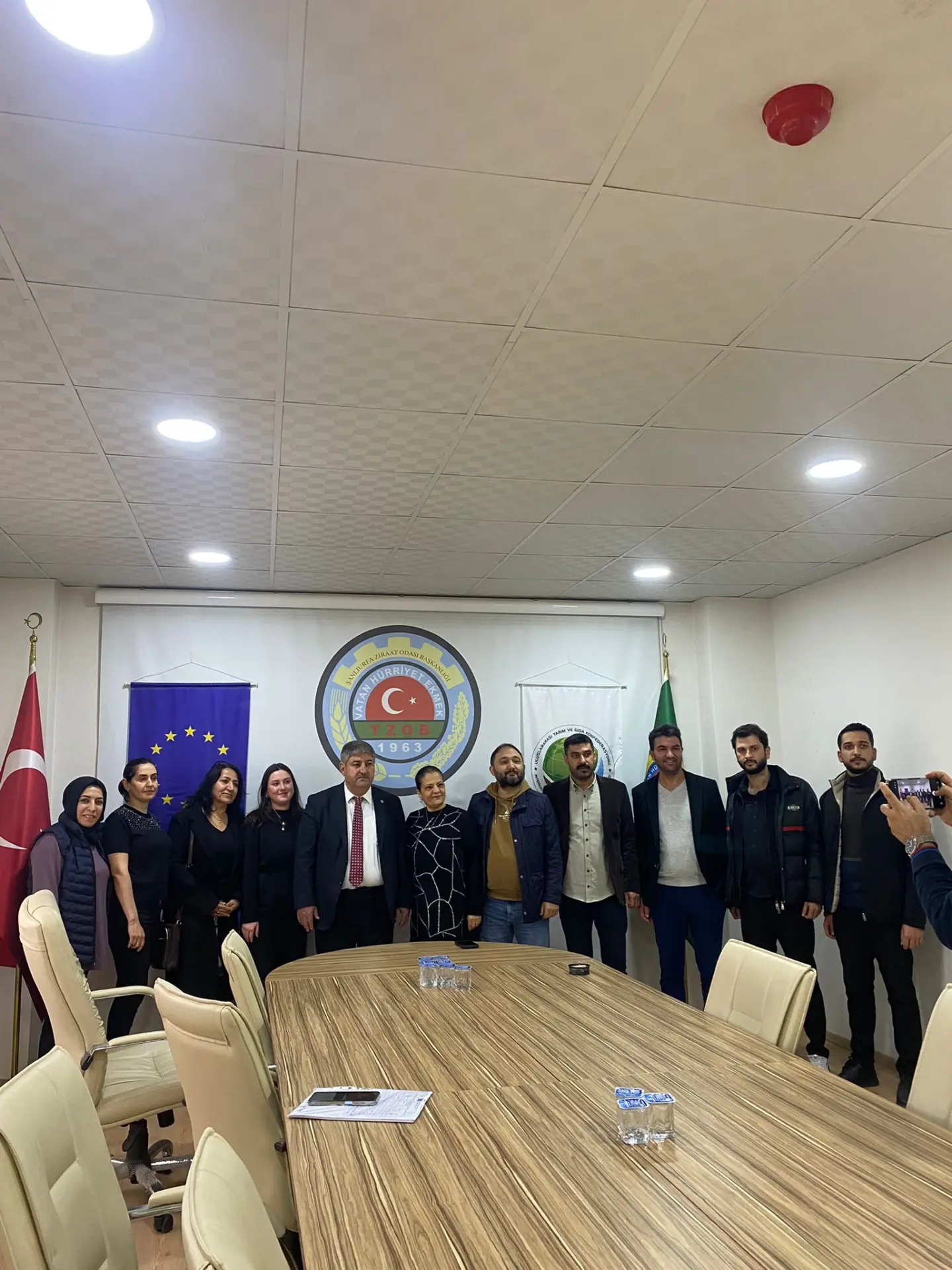
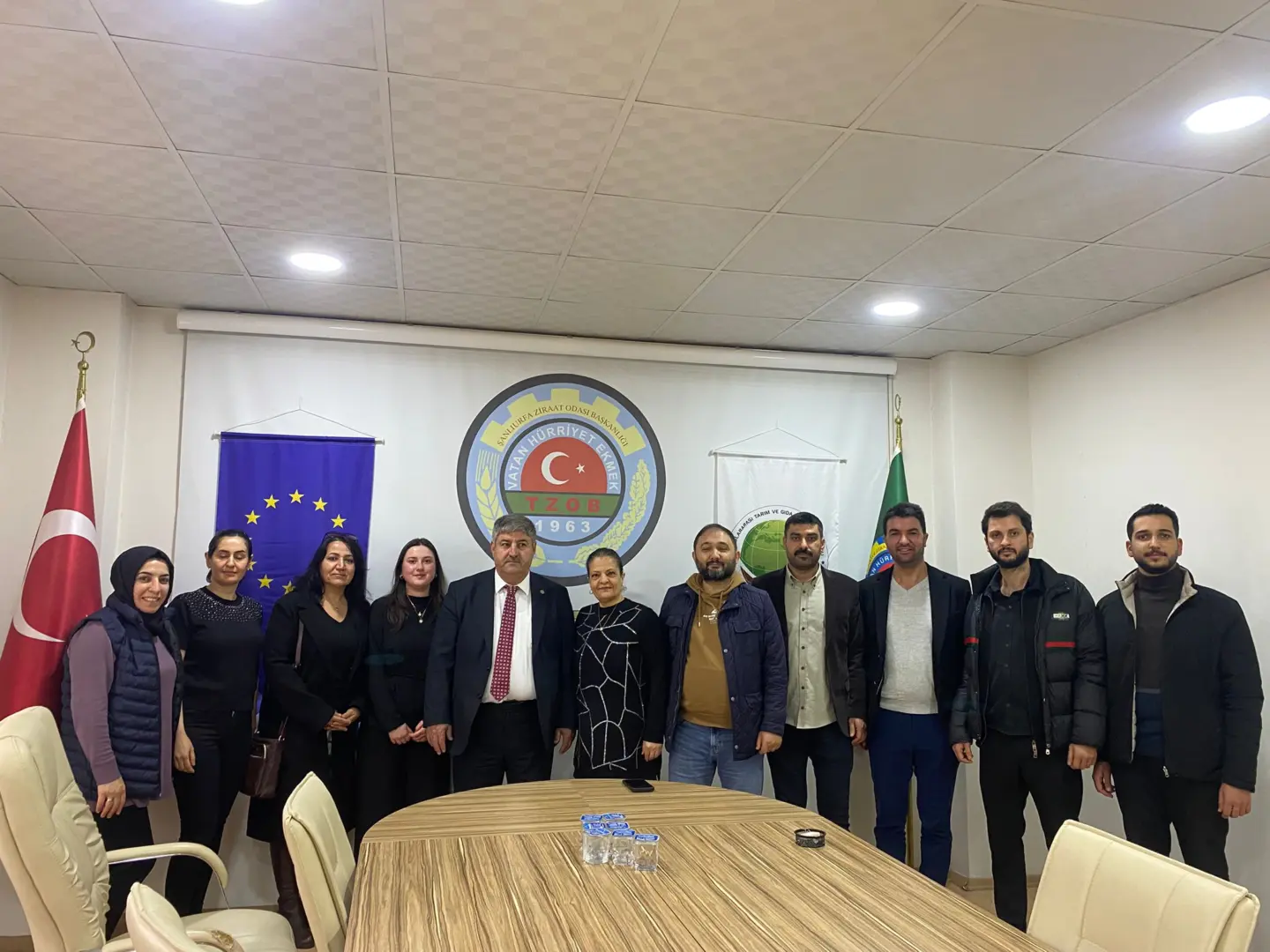
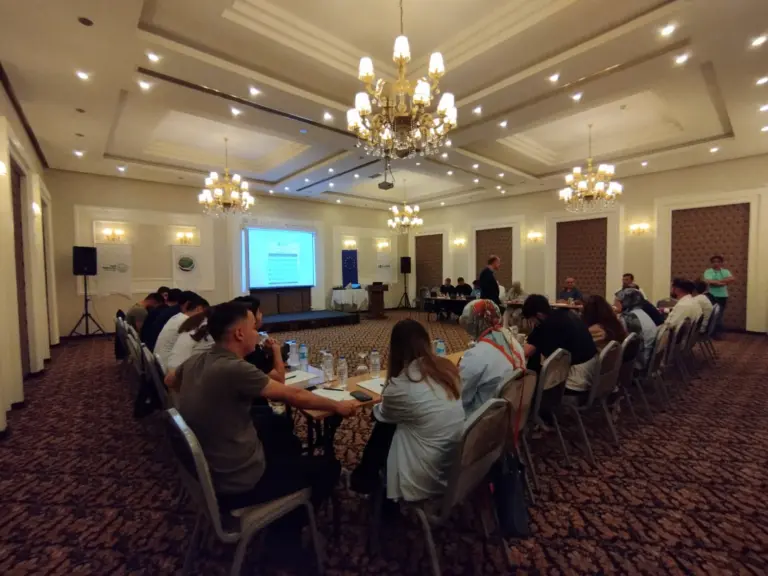
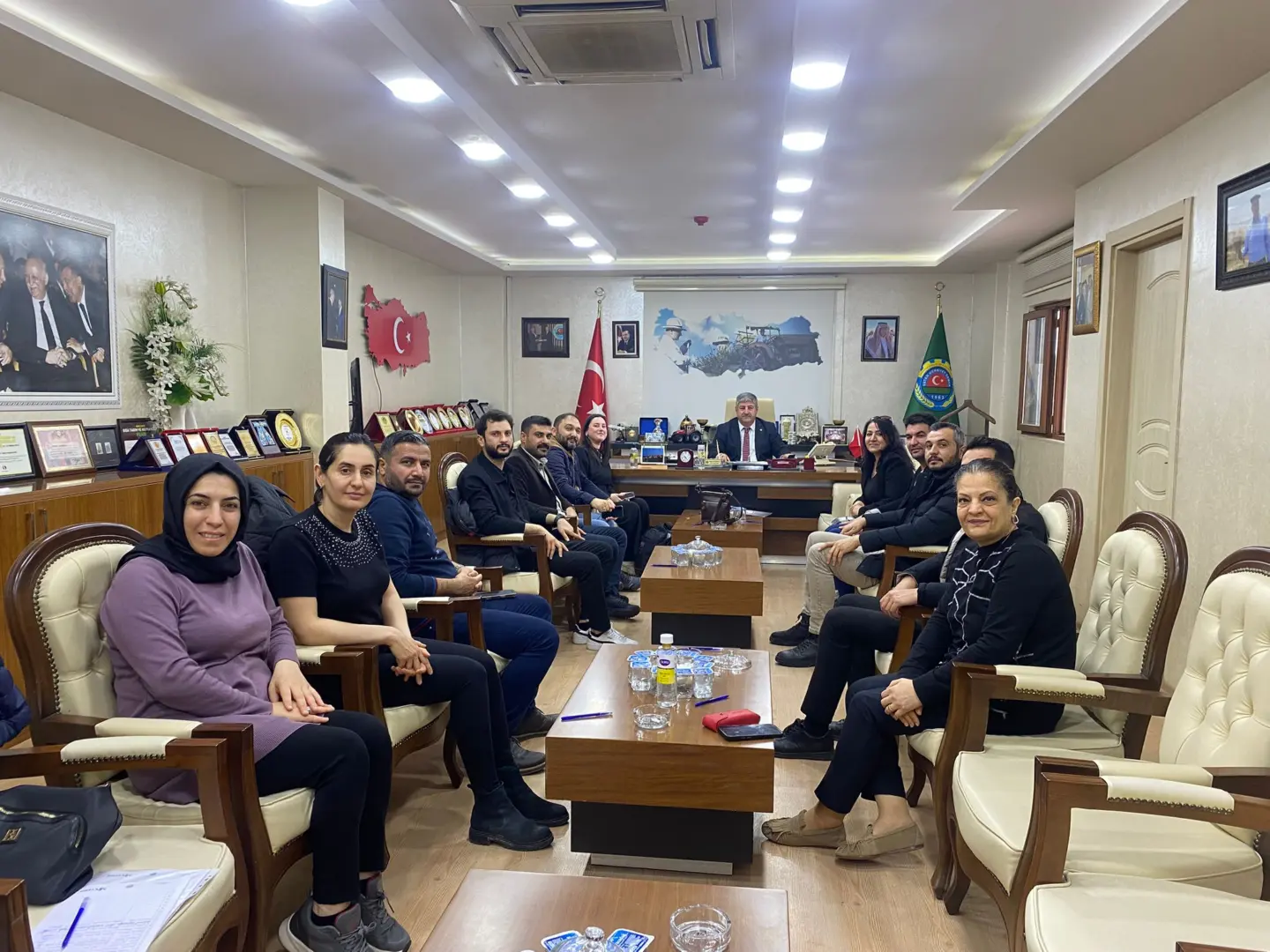
The meeting addressed the economic losses and structural problems that producers experience in marketing processes. At the meeting, held with project monitoring officers and agricultural advocates Murat Yeniay, Mustafa Güzel, Mustafa Melik and Yusuf Melik, and attended by the Şanlıurfa Chamber of Agriculture, farmer representatives and farmers, the main problems producers face at the marketing stage and proposed solutions were discussed.
The meeting addressed the economic losses producers experience in marketing processes, rising input costs, problems in accessing energy and the impacts of climate change on agricultural production.
In particular, products not being sold at adequate prices, rising production costs and intermediaries in the marketing chain were the main topics of discussion.
1. Energy and input costs
Producers stated that energy costs in particular are one of the main problems directly threatening agricultural production in Şanlıurfa. It was stated that the rise in electricity and diesel prices has significantly increased irrigation costs.
Despite price increases in diesel, fertiliser and other inputs, product sale prices have not risen at the same rate, causing farmers to incur losses.
2. Contraction in cotton production
It was emphasised that cotton is a strategic crop for Şanlıurfa and the main raw material for textile and industrial factories. However, according to data shared by producers:
While the area planted with cotton in 2024 was approximately 1,009,000 decares,
it was stated that this area is expected to fall to around 600,000 decares in 2025.
High costs, low profitability and inadequate support mechanisms were cited as the main reasons for this decline.
3. Price policies and inadequate support
Producers stated that four years ago the price of cotton was approximately 20,000 TL per tonne, while today it has reached 25,000 TL; however, over the same period diesel and other input costs have risen at much higher rates.
It was stated that state support falls far short of covering current costs and is not at a level that would keep farmers in production. Criticism was voiced that Ministry policies are shaped to keep product prices from rising, an approach that prioritises consumer prices rather than farmers. It was emphasised that producers who cannot make a living give up production.
4. Climate change and agricultural risks
It was stated that frost during the flowering period and unpredictable weather conditions linked to climate change significantly reduce yields. Producers said that protective and preventive policies against climate risks are inadequate.
5. Access to training and technology
It was noted that there is a high need for crop-specific agricultural training in Şanlıurfa, and that there are serious gaps in access, training and technology transfer, particularly for young farmers.
It was stated that although awareness of precision farming, drone technologies and digital farming applications has increased, widespread and sustainable training programmes in these areas are lacking.
Contributions shared at the meeting
Field experience in lavender production – Mr Yakup
Mr Yakup shared the main problems encountered in the field in lavender production. Particular emphasis was placed on yield losses linked to climatic conditions, insufficient irrigation and the effects of harvest timing on product quality. It was stated that lavender production is not economically sustainable unless it is supported by value-added products.
Assessments of marketing and production problems on behalf of the Şanlıurfa Chamber of Agriculture – İsmail Turanoğlu
İsmail Turanoğlu drew attention to the marketing problems faced by producers across Şanlıurfa. It was stated that the failure of product prices to rise sufficiently despite increasing input costs is causing losses for producers, and that the rapid contraction of cotton production areas in particular poses a serious risk to the regional agricultural economy.
Organic fertiliser production and sustainable input use – Şahin Türkölmez
Şahin Türkölmez highlighted the importance of using organic fertiliser both to reduce costs and to protect soil health. It was emphasised that dependence on chemical inputs puts producers under economic strain, and that local and organic input production should be supported for sustainable agriculture.
Drone and precision farming applications, widespread training activities – Mehmet Senbayram
Mehmet Senbayram described the positive effects of drone technologies and precision farming applications on productivity. It was stated that costs can be reduced through the correct use of digital technologies, particularly in irrigation, fertilisation and disease monitoring. Attention was also drawn to the growing need for hands-on training for young farmers and producers.
Solutions discussed
Shortening the marketing chain between producer and buyer, and expanding direct sales models
Strengthening public purchase guarantees for strategic products, cotton in particular
Readjusting product prices so that they cover production costs
Increasing targeted subsidies for basic inputs such as energy, diesel and fertiliser
Developing climate-adaptive agricultural policies and risk-reducing support mechanisms
Expanding precision farming technologies through crop-specific training programmes for young farmers
Conclusion
The meeting concluded that problems arising from marketing, pricing, energy and climate directly threaten producers' ability to remain in agricultural activity, and that existing support mechanisms are insufficient to offset these problems.
It was emphasised that the solution lies in developing rights-based, planned, publicly supported agricultural policies grounded in conditions on the ground. It was decided that the problems and proposed solutions raised at the meeting would be conveyed to the relevant policymakers within the scope of Local Policy Dialogue – Activity 14.