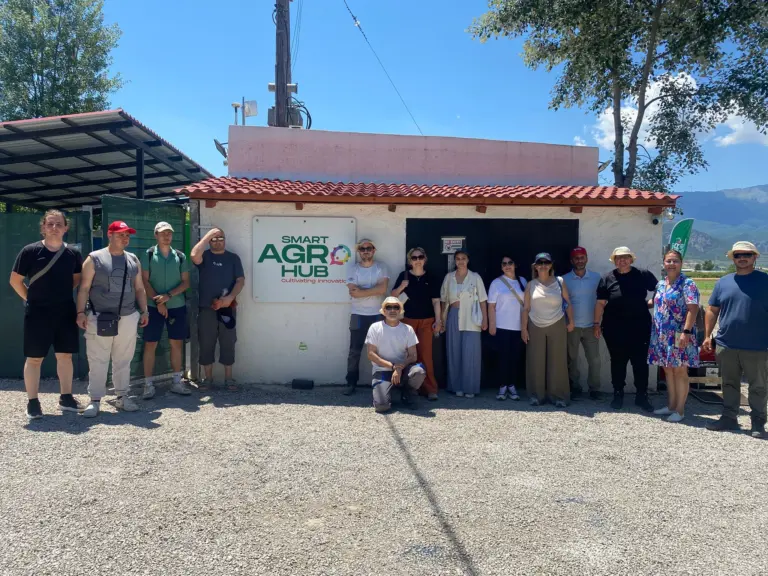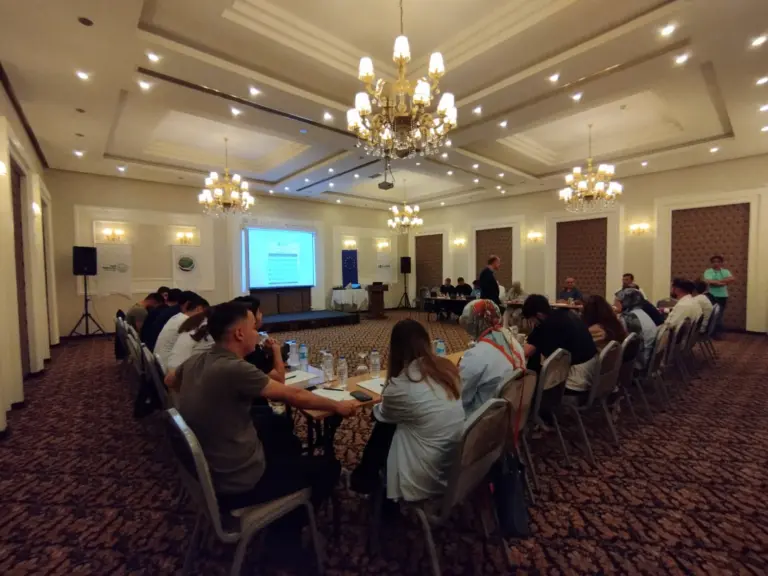
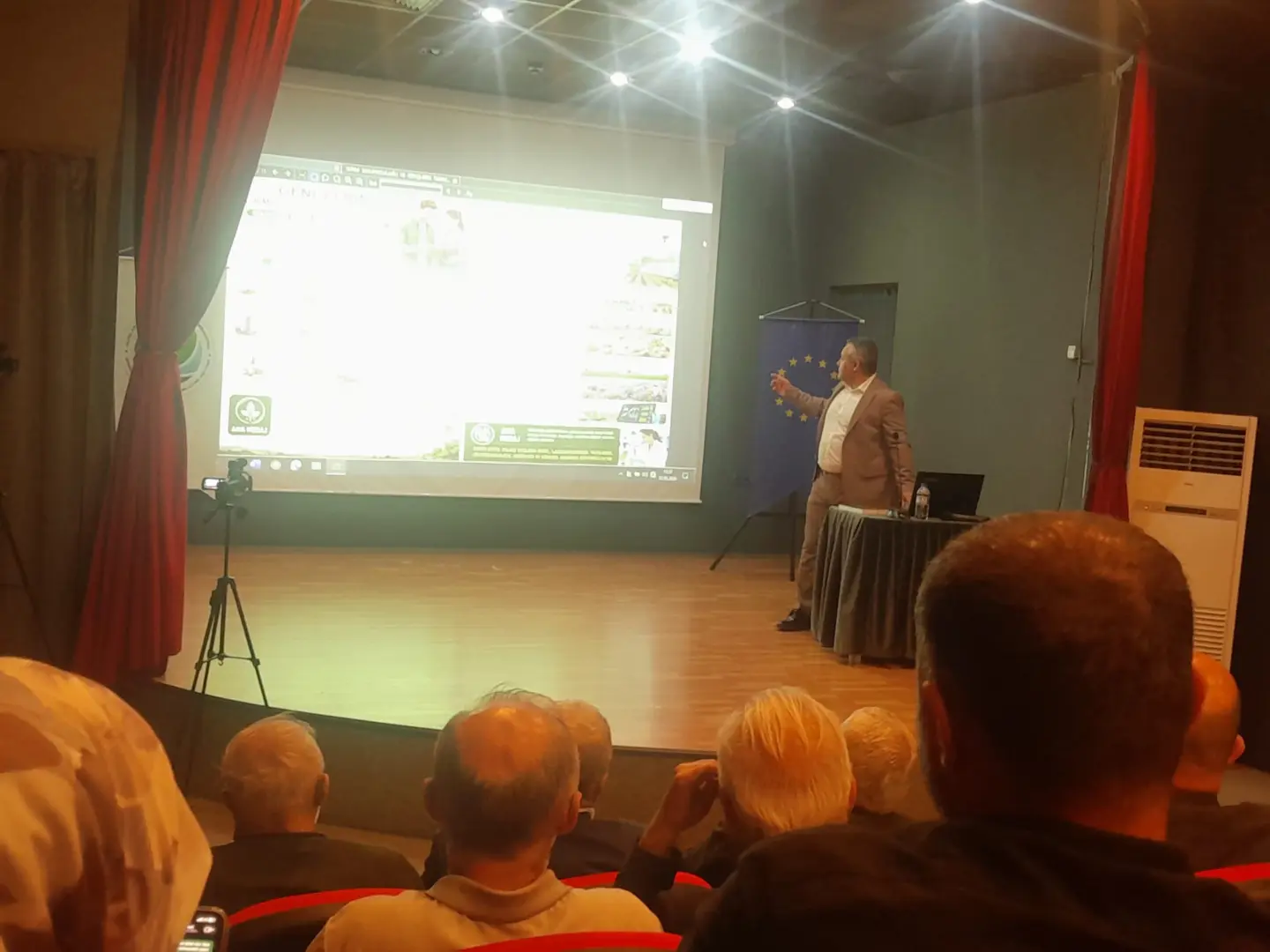
SAKARYA - Within the scope of the “Precision Farming for a Greener Tomorrow: Advocating for Sustainable Agriculture” project, a comprehensive planning meeting was held to shape the agricultural future of Sakarya and to seek solutions to the structural problems faced by producers. At the meeting, which brought together the project team, local producers and cooperative stakeholders, the delicate balance between the city's agricultural production capacity and the rapidly growing pressure of industrialisation was examined in detail.
One of the biggest risk factors highlighted at the meeting was the pressure that industrial, housing and transport investments in the fertile plains are placing on agricultural land. It was stated that this situation is causing agricultural areas to shrink and land prices to rise speculatively, and is making it harder for young farmers to access land. It was emphasised that the rural population is ageing rapidly, for reasons such as the industrial sector in the city being seen as more attractive and rural living standards remaining inadequate, and that the average age of active producers in many villages has reached critical levels.
The exorbitant increases in input costs such as fertiliser, diesel, electricity, irrigation and labour, which are crippling producers, were also among the important items on the meeting's agenda. It was reported that the widening gap between costs and income has driven small family farms in particular into a serious financial impasse. It was noted that although Sakarya is very strong in terms of production volume, it has not achieved the same success in marketing processes, and that, due to the large number of intermediaries and price fluctuations during the harvest period, producers have been forced to make production decisions based on traditional habits rather than market signals.
In the discussions, which drew attention to the fact that extreme weather events brought by climate change, such as irregular rainfall, sudden temperature changes and drought, push production risks to the maximum, it was noted that irrigation is inefficient due to traditional methods and a lack of infrastructure, despite rich resources such as the Sakarya River. It was also pointed out that the brown marmorated stink bug, which in recent years has caused great damage to crops of high economic value such as hazelnut, maize, quince and kiwi, together with new invasive species, poses a very serious biological threat to the region's agriculture. Although the city has a strong agricultural raw material base, the lack of value-added industrial investments such as processing, functional food and branded product development, together with the inadequacy of cooperatives in professional management and joint marketing, were listed as other factors preventing the value produced from remaining in the region.
In the general assessments made at the end of the meeting, it was concluded that Sakarya's fundamental problem is not a lack of production, but a need for deep-rooted agricultural transformation and planning. It was stated that, in the vision for the next ten years, protecting agricultural land, bringing young people into the system and increasing water efficiency through data-driven precision farming practices are of vital importance. It was also set out that the most critical macro approach to save Sakarya's agriculture is the "Market First, Then Production" model, to be applied at provincial level by moving away from raw material-oriented production, and that a sustainable future is possible only with predictable policies guided by market data.