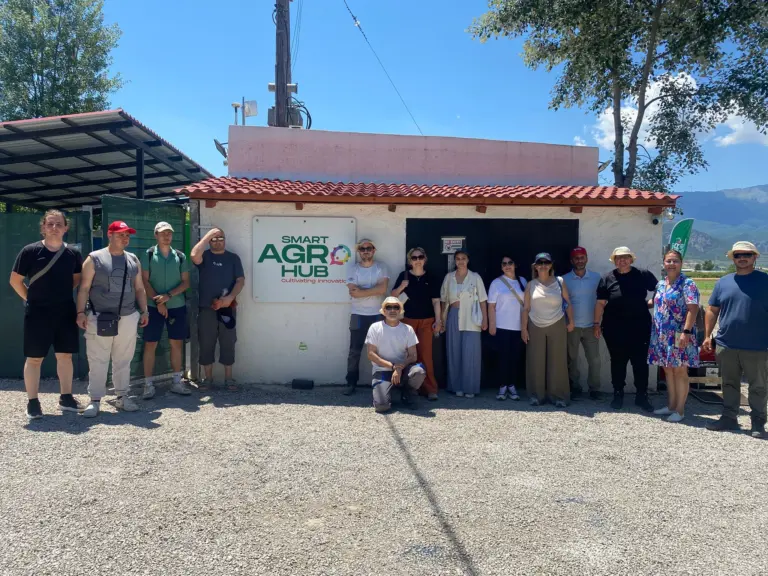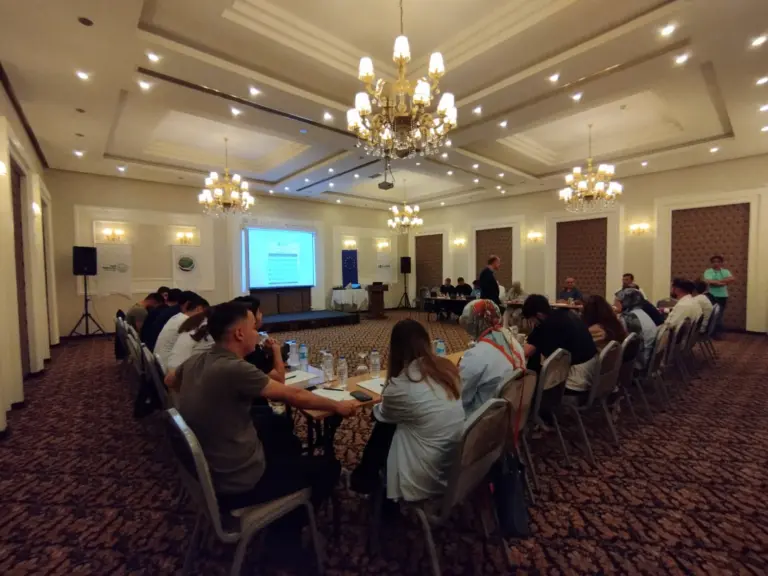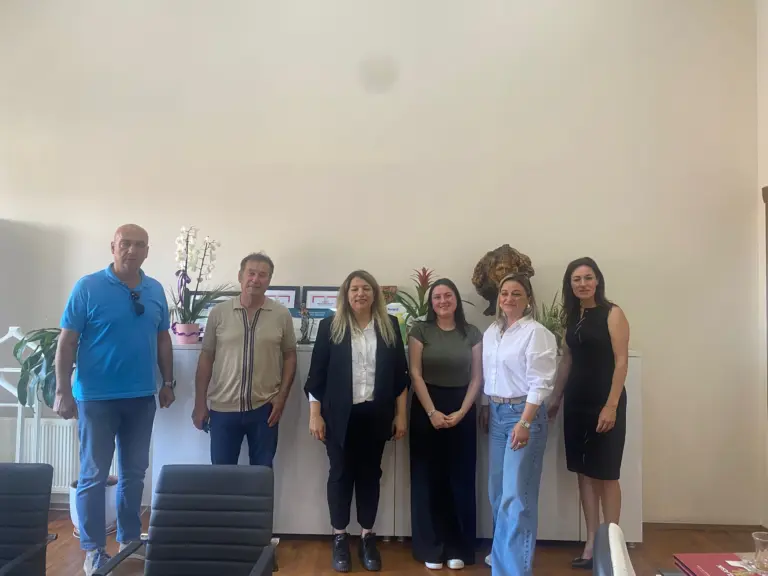
On 20.02.2025, a Local Policy Dialogue Planning Meeting was held in the Feke district of Adana within the scope of the “Precision Farming for a Greener Tomorrow: Advocating for Sustainable Agriculture” project. The meeting, organised in February 2025, addressed the structural problems in agricultural production, pricing mechanisms and market balances.
“Agricultural Policies Are Disconnected from the Field”
Participants who took the floor at the meeting stressed that the institutions and decision-makers responsible for agriculture do not have sufficient command of the field and the realities of production. It was stated that agricultural policies are often formulated without taking production dynamics into account, and that this directly and adversely affects farmers.
Small Changes in Production Lead to Large Price Fluctuations
Participants drew attention to the extremely fragile structure of the agricultural sector. It was stated that a 10% increase in the production of an agricultural product can cause prices to fall by as much as 50%, while a 10% decrease in production can raise prices by 50%. It was emphasised that fluctuations of this magnitude are not seen in any other sector.
Import Policies Should Be Planned
It was stated at the meeting that, in periods of rising prices, importing only as much as is needed can ensure market balance. However, it was emphasised that imports made in excess of need and without planning cause serious harm to domestic producers. Participants expressed the view that import policies should be carried out in a controlled manner so as to protect producers.
Overproduction Drives Producers into Losses
It was stated that in years of high production, producers incur losses because adequate market regulation is not carried out. Using onions as an example, it was noted that the market could be balanced by granting a per-tonne premium for exports, thereby preventing both producer losses and price fluctuations.
Storage Problem and a Misperception
It was stated that products rot due to inadequate storage infrastructure, yet a misperception has formed in public opinion that producers are “hoarding stock”. It was expressed that this situation wears farmers down both economically and socially.
Lack of Awareness in Olive and Essential Oil Production
It was noted at the meeting that, with the increase in the number of oil mills, high-quality table olives are being used for oil, which lowers the value of the product. It was also emphasised that in essential oil production, costs are not covered by product prices, and for this reason many producers have been forced to withdraw from this field.
“The Problem Is Planning and Market Regulation”
At the end of the meeting, a common view emerged that the fundamental problem in agriculture is not production alone, but the lack of planning, market regulation, storage infrastructure and knowledge-based policy. Participants stated that agricultural policies disconnected from field realities are not sustainable, and that a system in which producers are not protected cannot continue.