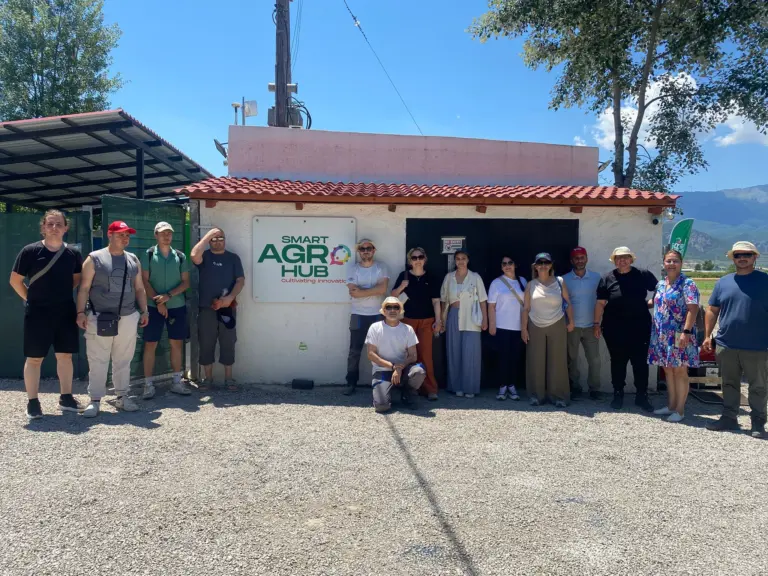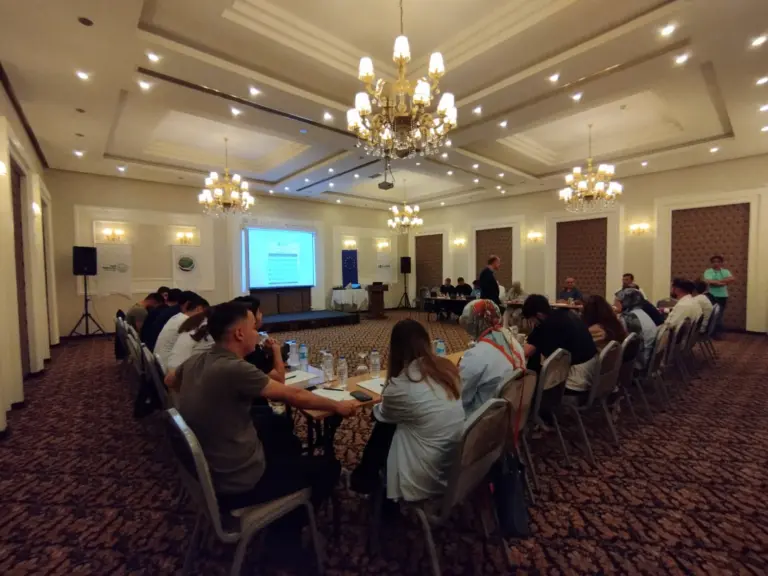
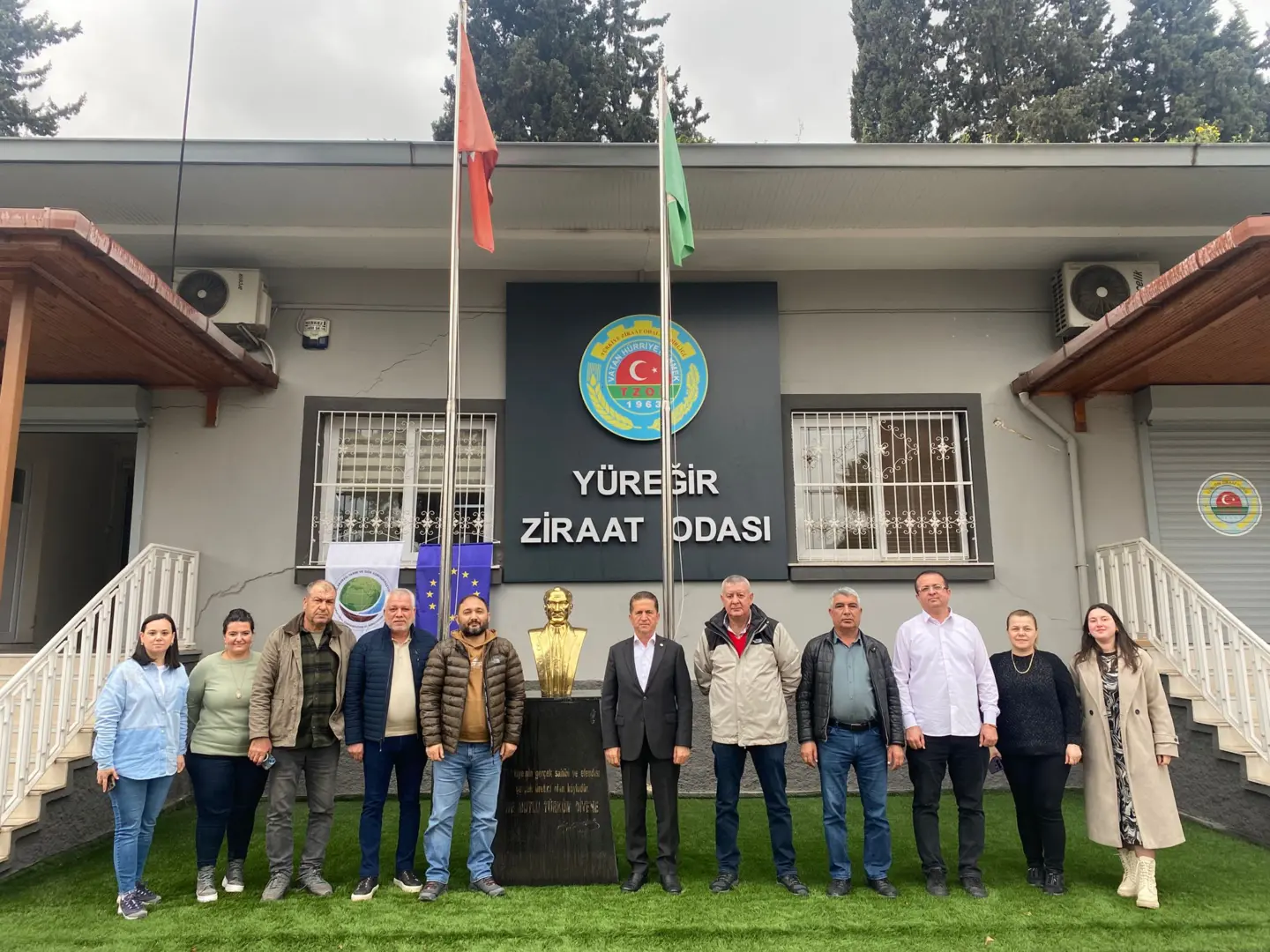
Yüreğir Planning Meeting
Agenda and General Framework of the Meeting
The meeting was held to address together the planning, marketing and sustainability dimensions of agricultural production in Yüreğir district. Discussions focused on the input cost–product price imbalance, shortcomings in the marketing structure, import policies and regional production planning.
Key Topics Raised at the Meeting
1. Input Costs and Planning Pressure
It was stated that rising costs of diesel, fertiliser, pesticides and seed make planning difficult, and that producers find it hard to take risks because sales prices do not cover costs. Producers said they need a planning structure in which the cost–price relationship is predictable in advance.
2. Marketing Structure and Production Decisions
It was reported that uncertainties in the marketing chain directly affect planting decisions, and that some products cannot be sold at their true value even though they reach the harvest stage. Producers called for planning meetings to be conducted in a way that establishes a crop selection–market link.
3. Openness to Learning and Willingness to Apply
It was noted that producers in Yüreğir show strong interest in new production techniques, record keeping, measurement, productivity-enhancing practices and advisory models. A shared observation was that farmers are willing to put things into practice if they receive clear answers to the questions “what, when and how”.
4. The Need for Production Planning
The lack of guiding and binding planning on regional cropping patterns, planting times and crop quantities was raised as a significant problem. The meeting emphasised the need to develop planned production models that take into account Yüreğir's soil structure, climatic conditions and proximity to markets.
5. Water Use and Crop Choice
It was stated that irrigation costs and problems with access to water directly affect planning, and that crop selection should be made by assessing water consumption and market demand together. Producers requested guidance and data-based direction on this matter.
6. Import Policies and Planning Assurance
It was stated that import decisions render production planning futile and that production becomes risky when there is no predictability before planting. Producers called for import policies to be implemented within a planned framework that takes domestic production into account.
7. The Wholesale Market System and Direct Sales Opportunities
It was stated that the wholesale market system and the intermediary structure limit producers' income. It was noted that access to direct sales channels for farmers engaged in registered and traceable production should be part of the planning process.
General Assessment
At the end of the meeting, it was clearly established that farmers in Yüreğir are open to learning, willing to change and determined to continue producing. However, the shared view was that, for this potential to be realised, planning, marketing and policy decisions must be reflected in the field in advance, clearly and in a practicable way.
The Yüreğir Planning Meeting strongly highlighted the need for a predictable and trustworthy agricultural planning model that places producers' desire for knowledge and practice at its centre.