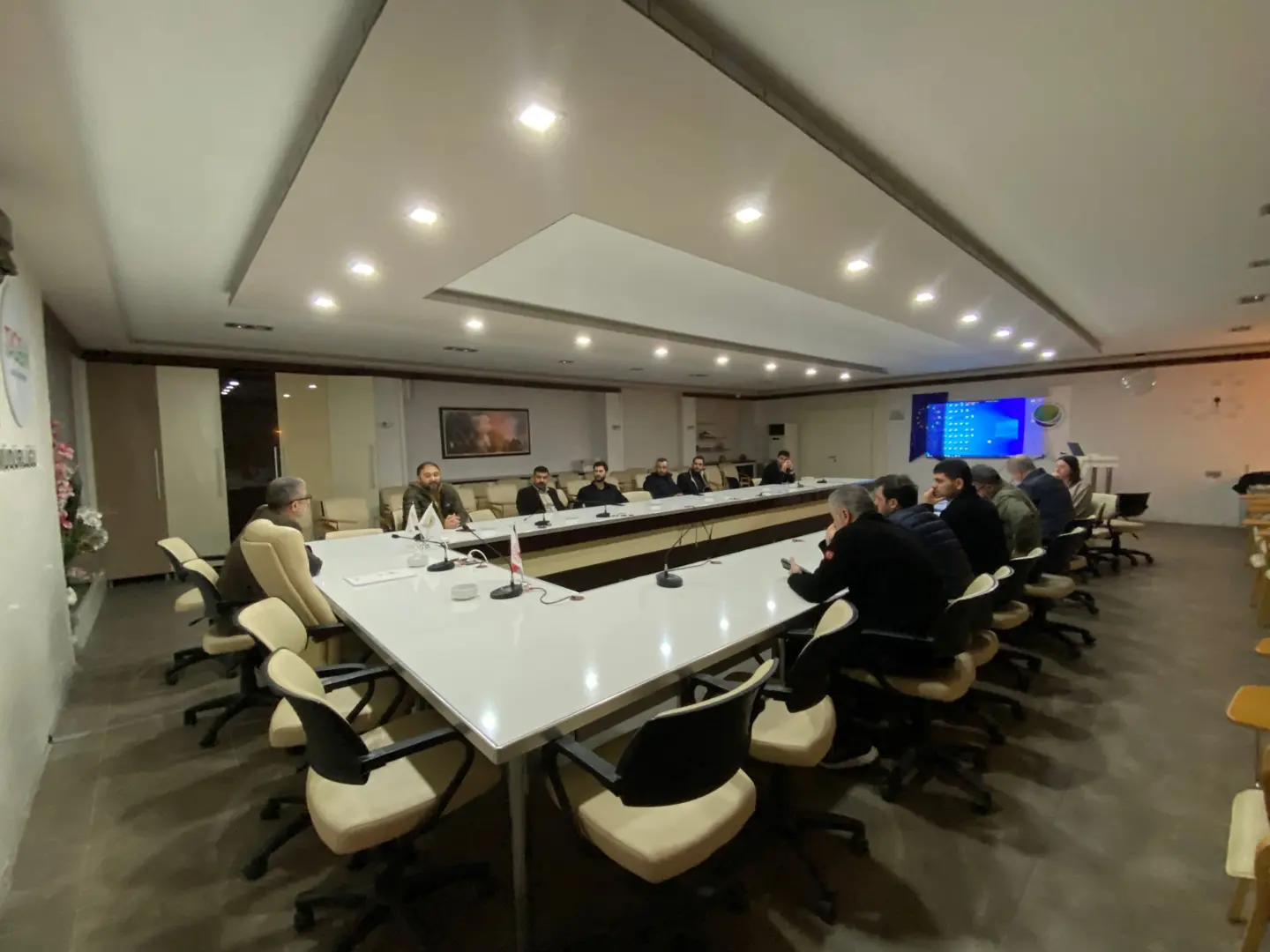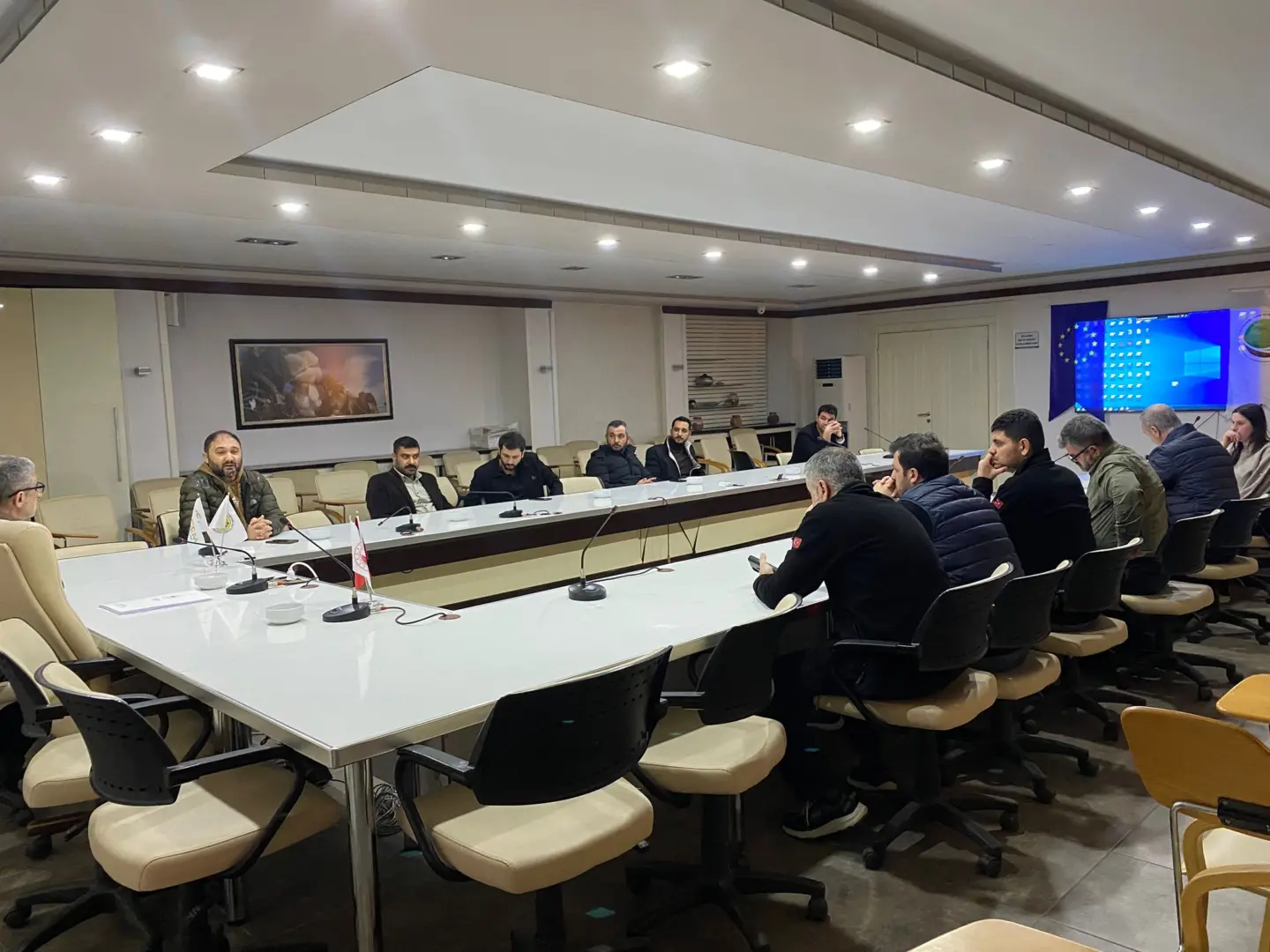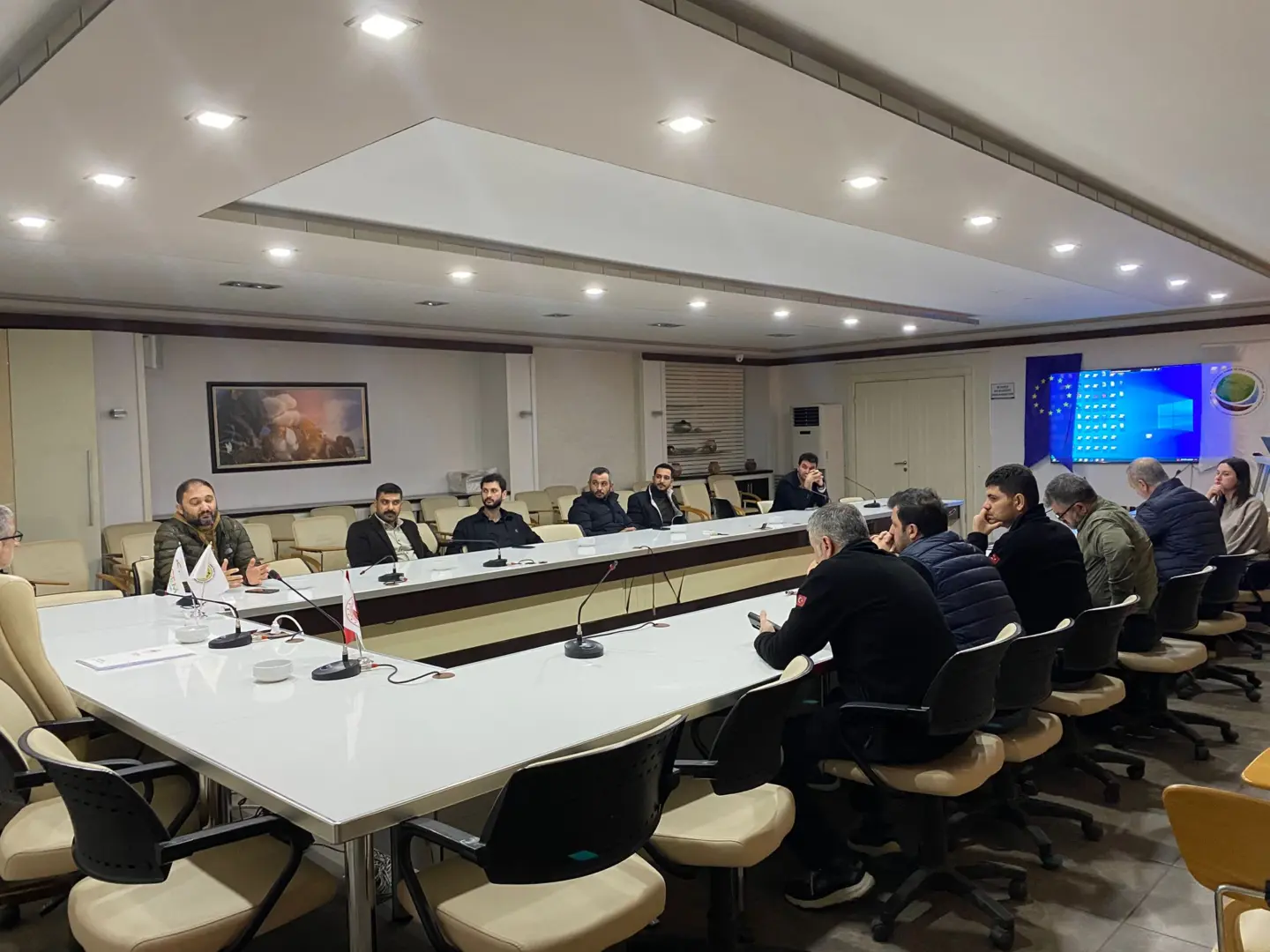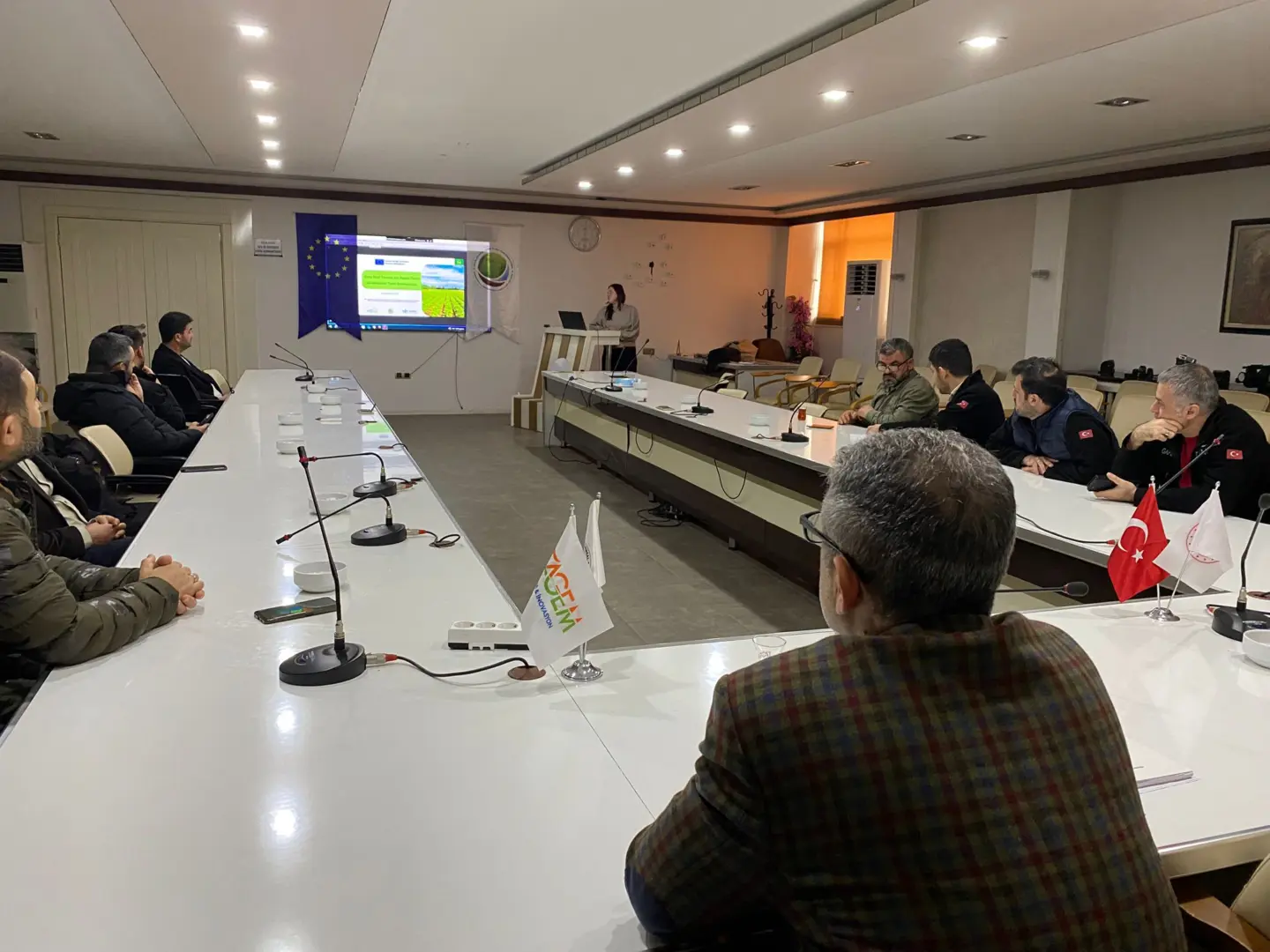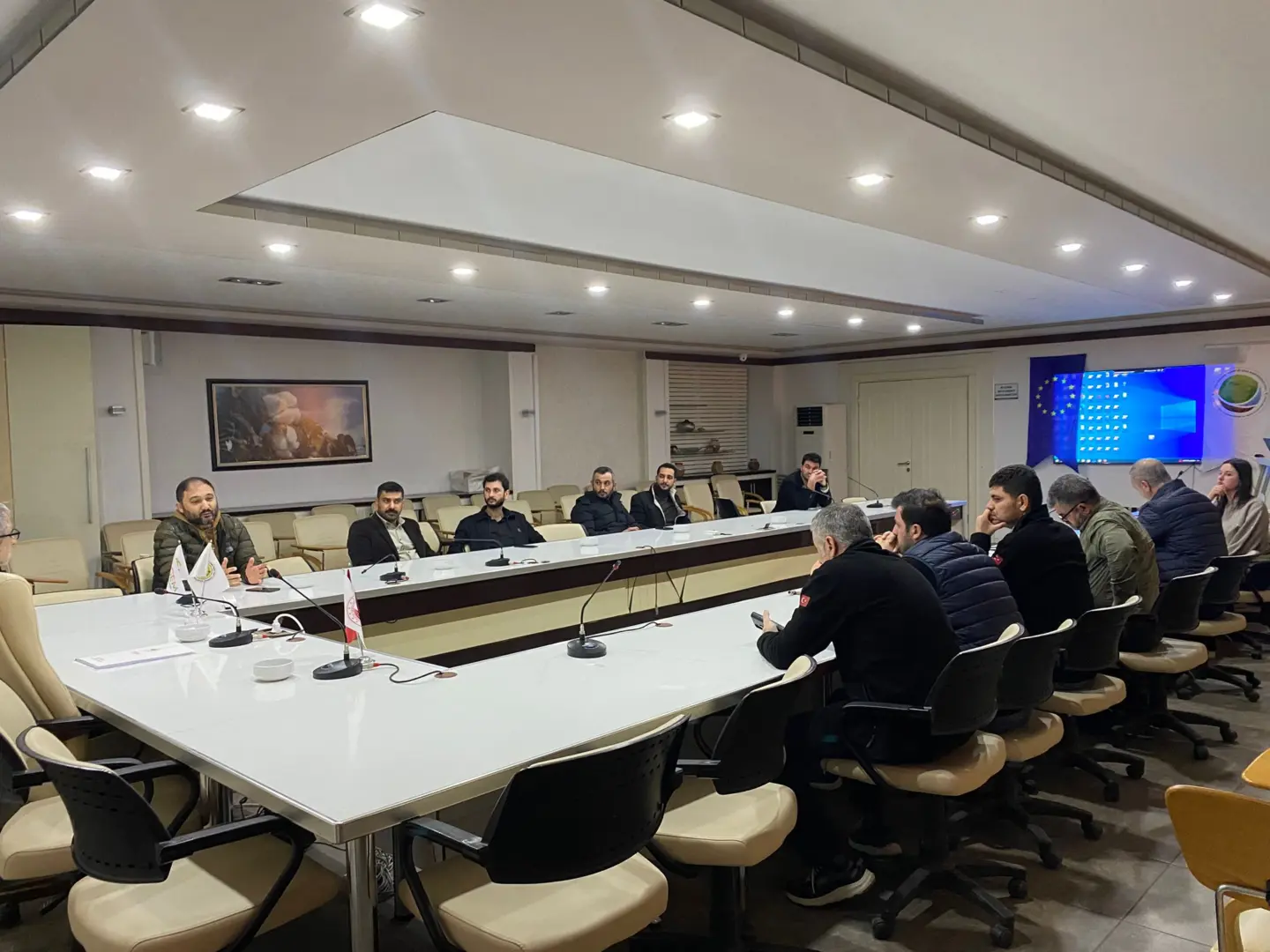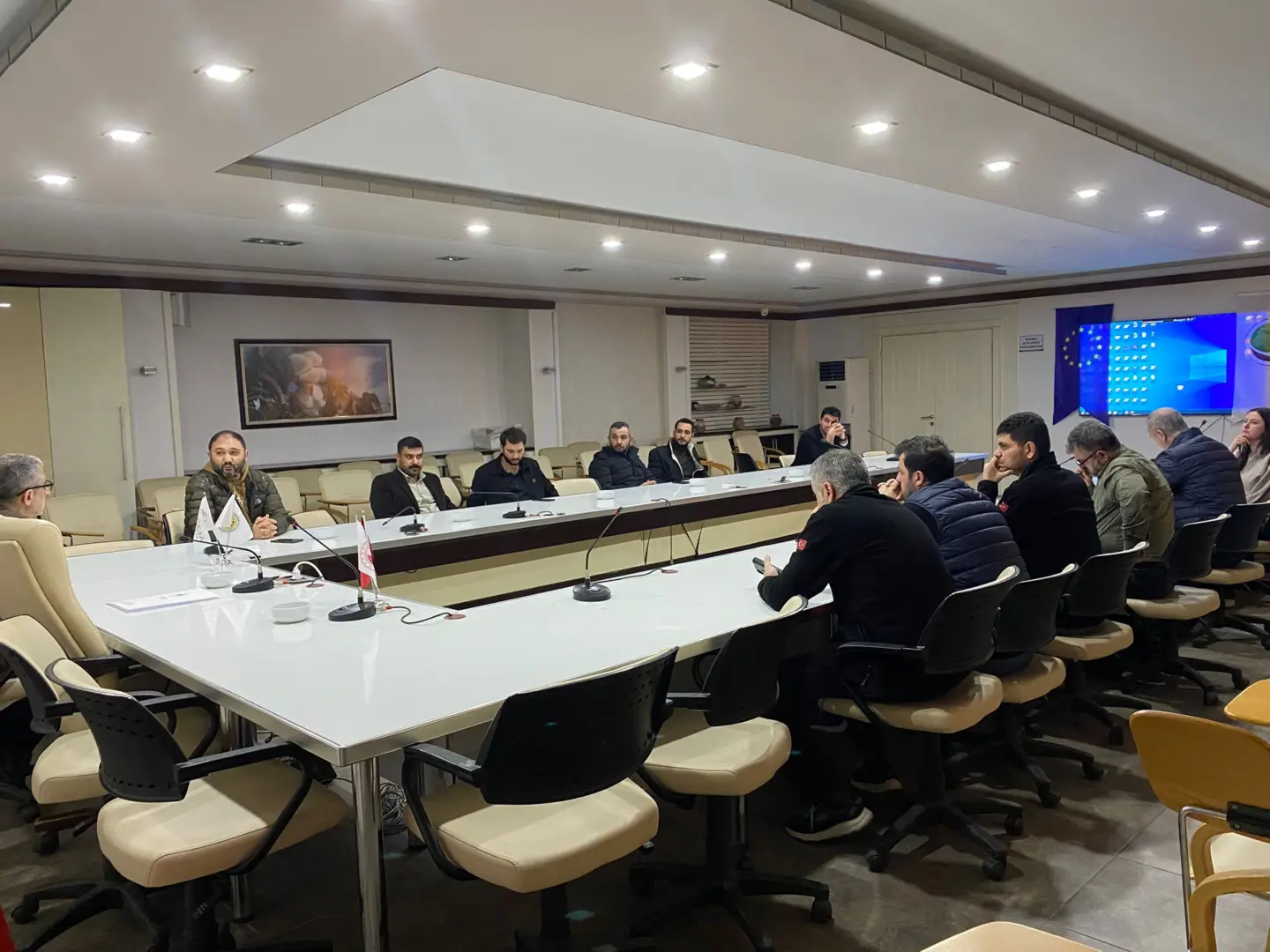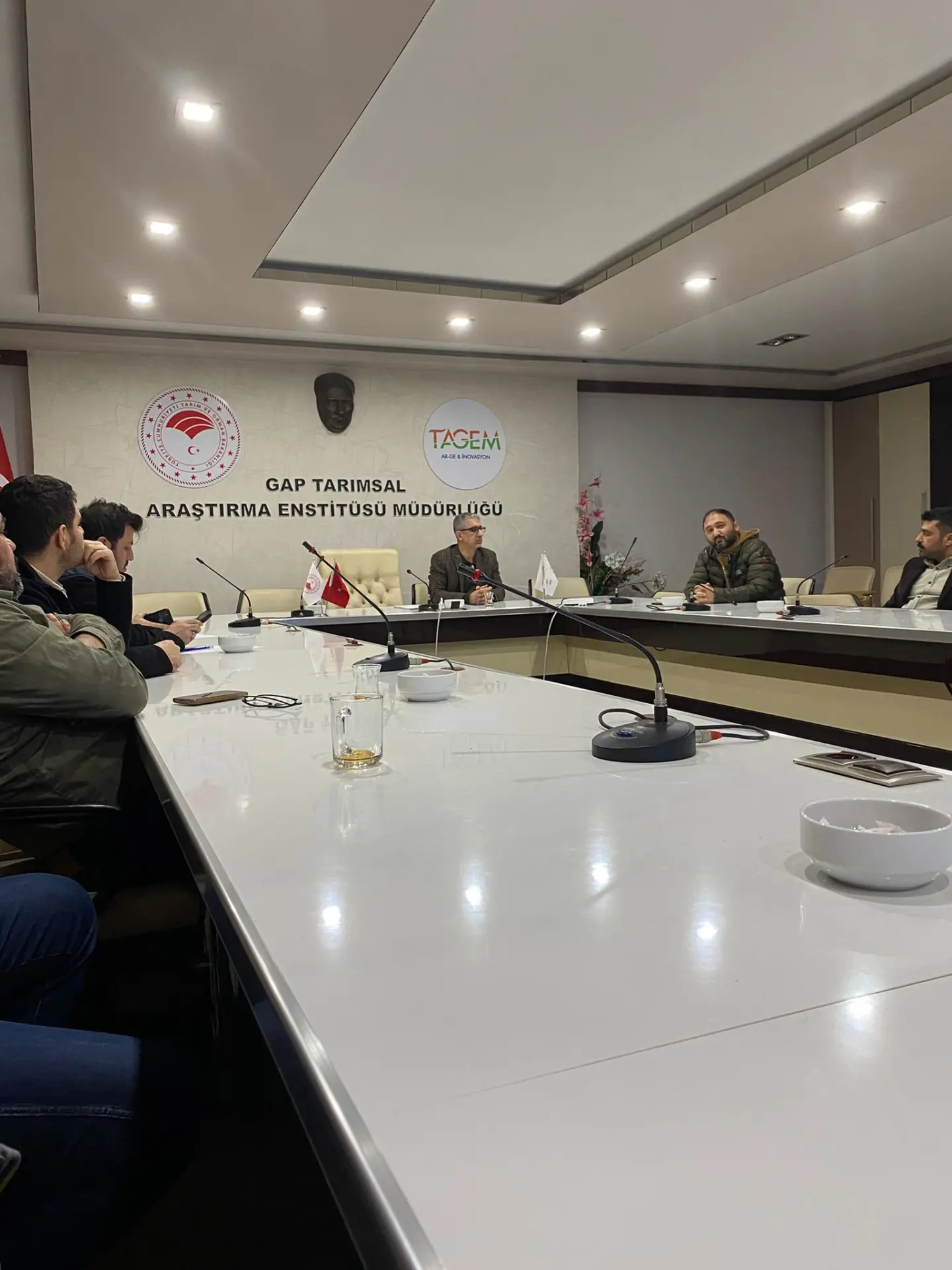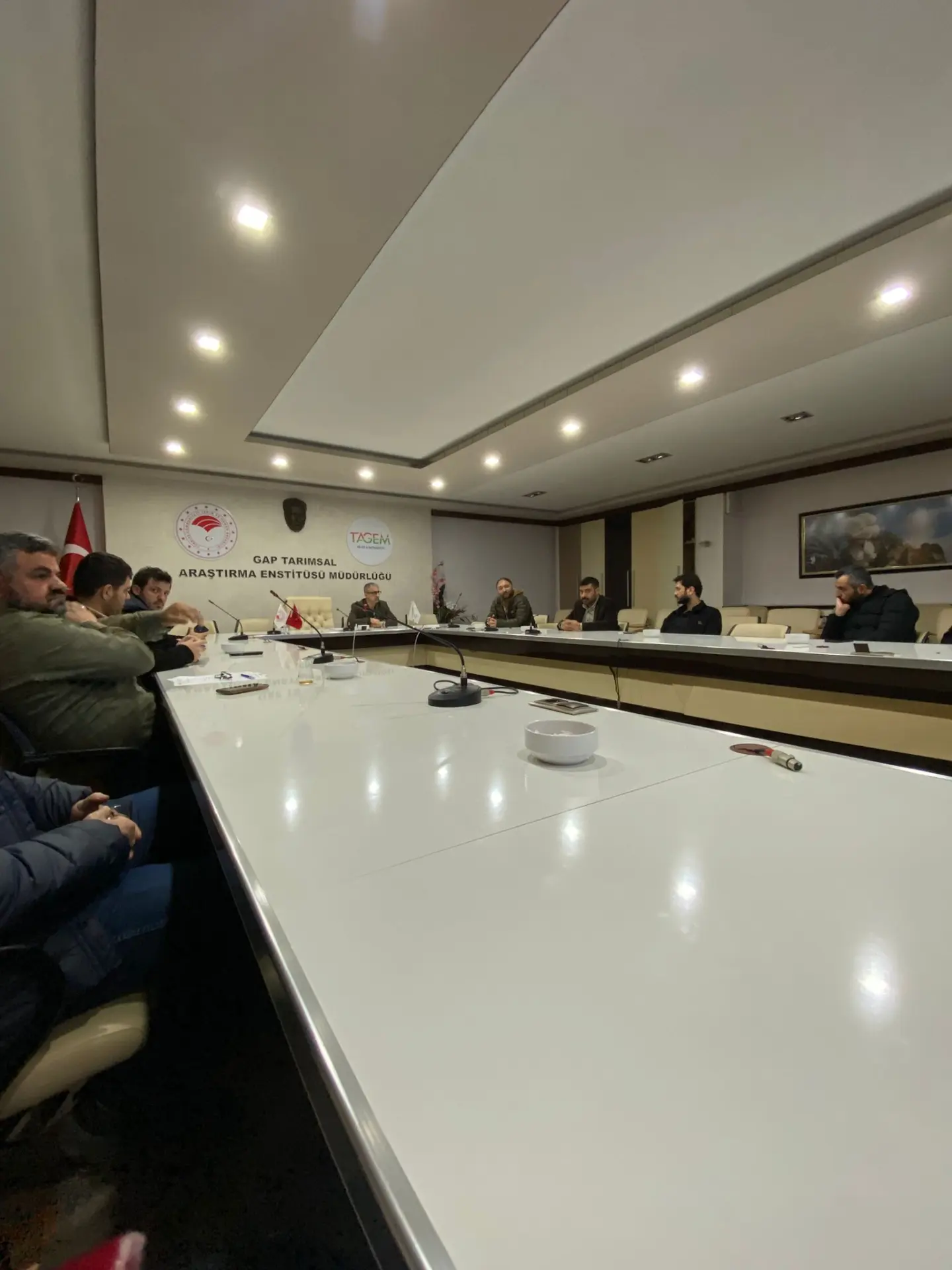
Main Agenda of the Meeting
No-till farming practices
Shift towards value-added and alternative crops
Disconnect between production and marketing
Climate change, cost pressure and the labour problem
Training, awareness and the participation of young people and women
Key Issues Raised at the Meeting
1. No-Till Farming and the Shifting of the Burden onto Farmers
It was stated that in no-till farming practices all responsibility is left to the farmer, and that technical support, guidance and marketing linkages are inadequate. While the farmer carries out production, they are left on their own for the rest of the process.
2. Marketing Problems for Value-Added Crops
It was emphasised that value-added crops are being grown, but access to marketing networks is limited. It was noted that despite production taking place, the produce remains in farmers’ hands, with fennel cited as one of the most concrete examples of this.
3. Lack of Crop Awareness
It was pointed out that farmers grow crops without knowing sufficiently in which sector and for what purpose the plant they sow will be used. It was stated that this directly and adversely affects irrigation, fertilisation and harvesting decisions, and that uninformed production leads to economic losses.
4. Impact of Climate Change
5. Labour and Migration Problem
It was stated that seasonal workers are vital for the region, and that due to the lack of industrial or permanent employment opportunities, producers have to go to other regions during certain periods. It was noted that this weakens agricultural continuity.
Key Views from the Interview Conducted During the Meeting
In the assessments made during the meeting, the following points were particularly emphasised:
That farmers need to correctly understand not only the sowing and harvesting stages but also the relationship between water management, fertilisation and yield,
That the perception of “more water – more fertiliser – more yield” is wrong,
That training and extension activities should become mandatory for farmers,
That identifying crop patterns suited to the region is critical in terms of both climate and cost,
And that the main reasons why young people and women are moving away from agriculture are migration, harsh working conditions and the perception that farming is unattractive.
It was also noted in the interview that children coming into contact with the soil at an early age will strengthen their ties to agriculture, and that hands-on training and local workshops are important in this respect.
General Assessment and Solution-Oriented Findings
In line with the farmer data and views shared at the meeting, a shared view emerged on the need for:
Strengthening marketing, planning and training processes as much as production,
Providing farmers with crop-specific, sector-oriented guidance,
Developing low-cost alternative crop models adapted to climate change,
Expanding support and training mechanisms that will make agriculture attractive for young people and women,
Taking field realities as the basis at the planning stage.
This meeting demonstrated once again that agricultural problems are not limited to production alone, and that sustainability is not possible unless knowledge, market access and policy coherence are ensured.