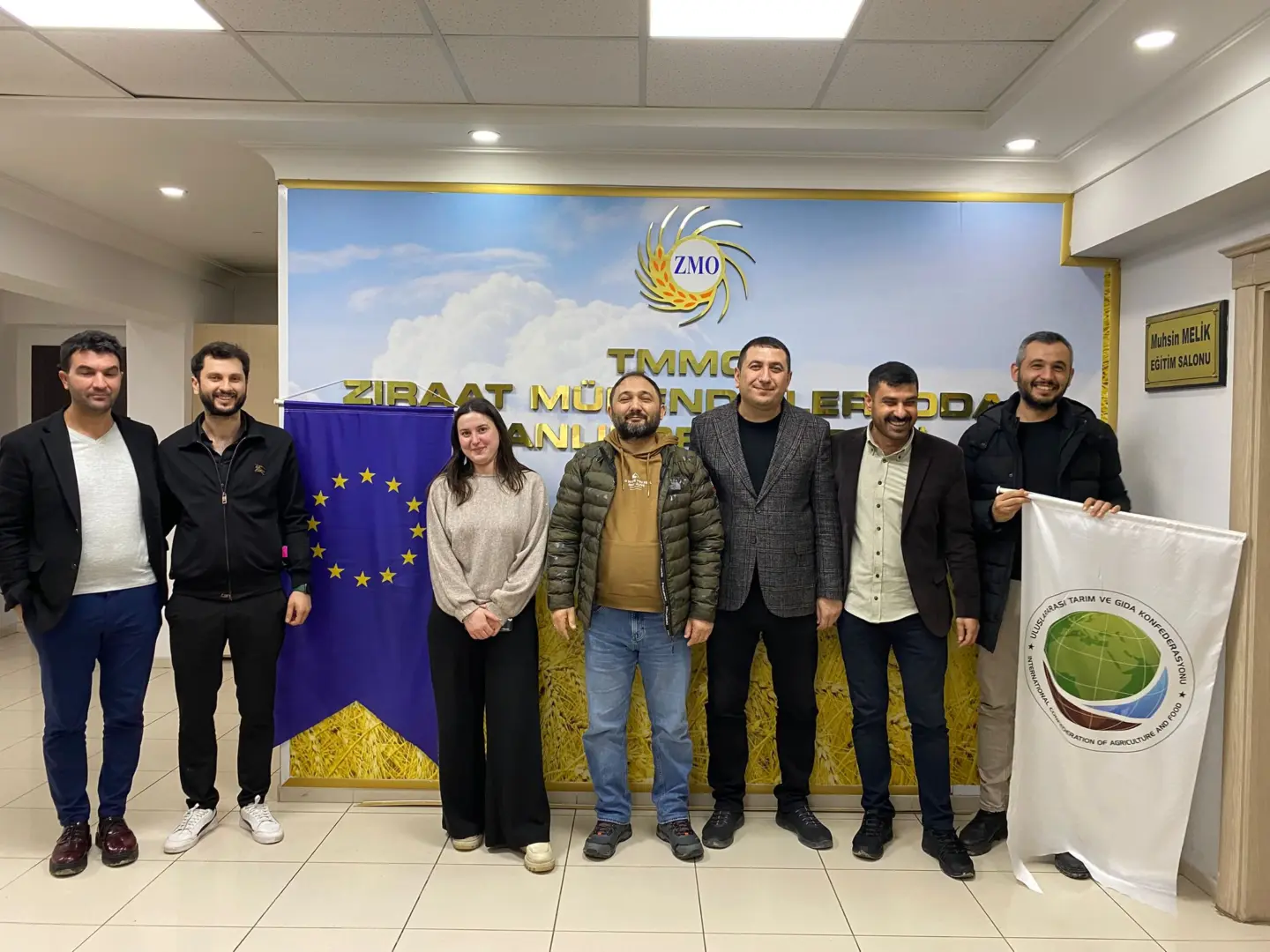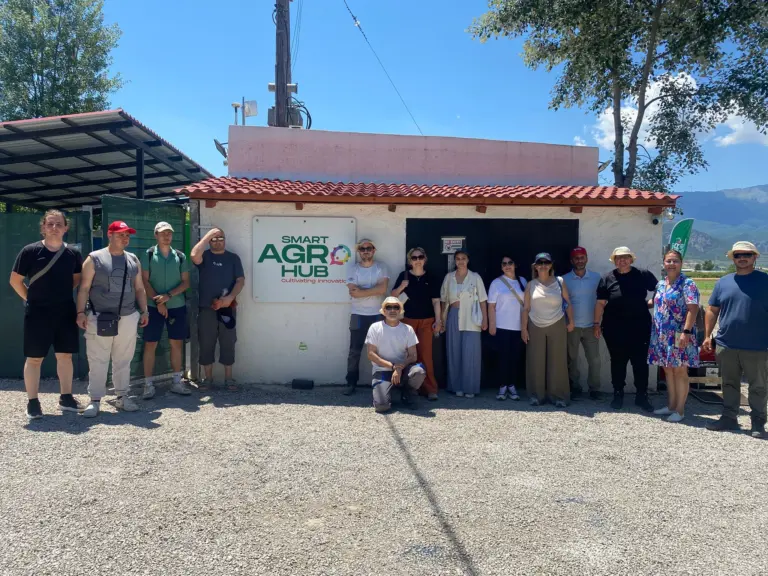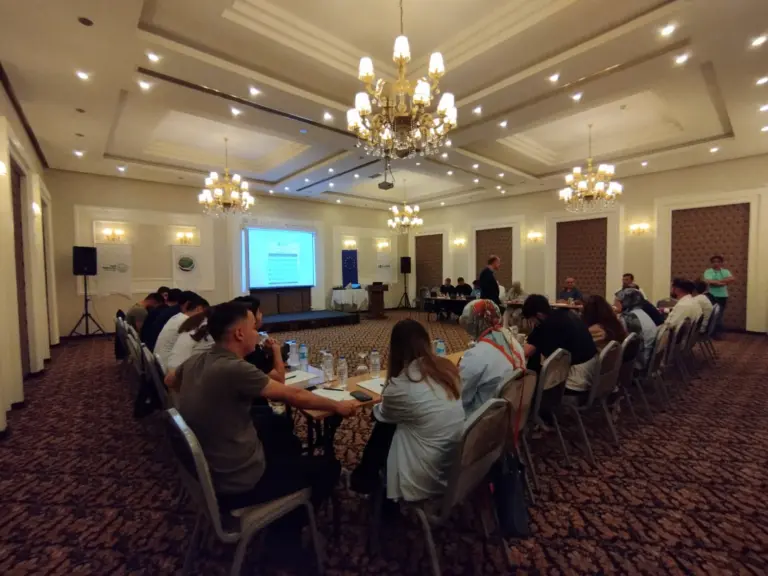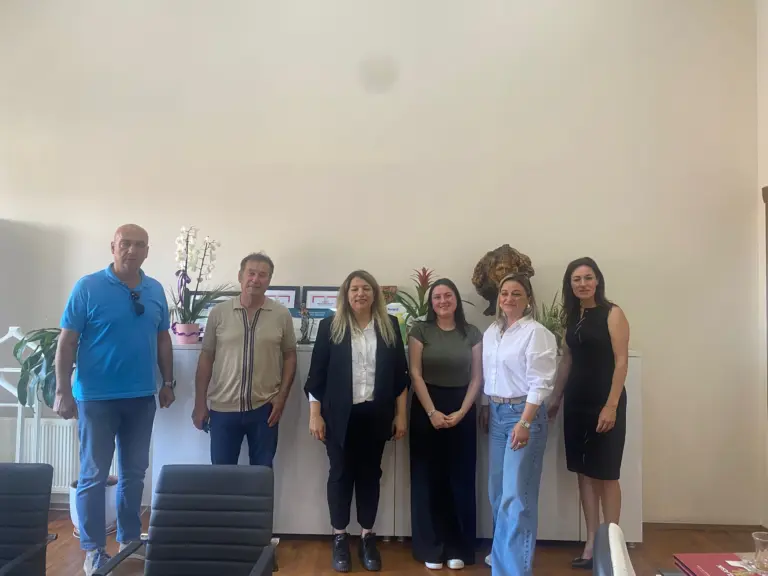
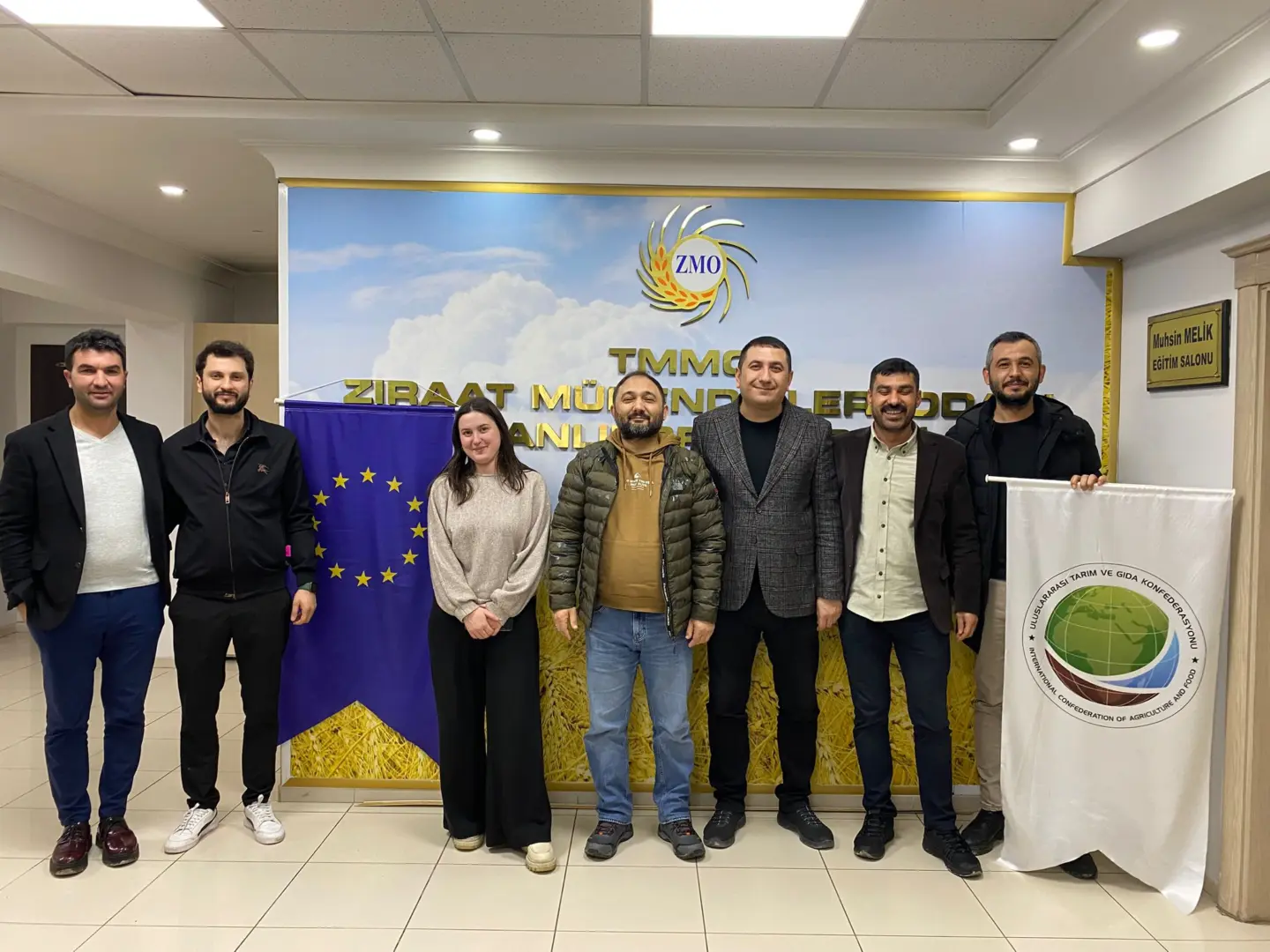
Main Agenda of the Meeting
The meeting addressed, from an engineering perspective, the topics of shifting towards value-added and alternative crops in agricultural production, the production–marketing price gap, climate change, rising costs and the labour problem.
The main approach of the meeting was that problems encountered in the field should be assessed not only through producers' experience, but also within the framework of technical planning, engineering guidance and policy coherence.
Technical and Structural Problems Highlighted at the Meeting
1. No-Till Farming Practices and Technical Responsibility
It was stated that in no-till farming practices, technical responsibility is left largely to farmers, and that engineering guidance, monitoring and evaluation mechanisms are inadequate.
It was considered that, where the practice is not supported by proper planning, soil analysis, crop selection and market linkages, the method turns into a risk-generating model.
2. Gaps in Marketing and the Value Chain for Value-Added Products
It was stated that value-added products can be produced successfully from a technical standpoint, but that their economic return cannot be realised because marketing, contract farming and industrial integration are not in place.
Fennel production was given as an example of this situation; it was emphasised that, despite technical success in production, the product remains in the producer's hands when no market link can be established.
3. Lack of Crop Awareness and Technical Knowledge
It was stated that farmers produce without sufficiently knowing in which sector, to which quality standard and for what purpose the crops they sow will be used.
This situation was defined as a technical problem that has a direct negative impact on irrigation, fertilisation, harvest timing and quality criteria, with the lack of knowledge leading to losses in yield and income.
4. Impact of Climate Change on Crop Performance
5. Labour, Migration and Continuity of Production
It was stated that seasonal agricultural labour is of critical importance for production in the region, but that due to inadequate industrial and permanent employment opportunities, both producers and the workforce are forced to migrate seasonally.
It was considered that this situation weakens continuity and efficiency in agricultural planning.
Key Technical Views from the Interview Conducted During the Meeting
The following points were particularly emphasised in the assessments and interviews conducted during the meeting:
Farmers should be supported not only in sowing and harvesting, but also in water management, the fertilisation–yield relationship and measurement-based production,
The “more water – more fertiliser – more yield” approach is scientifically and technically wrong,
Training and extension activities should become planned and continuous rather than optional,
Determining cropping patterns suited to the region is a fundamental element of engineering planning in terms of climate adaptation and cost management,
The main reasons why young people and women are moving away from agriculture are migration, harsh working conditions and agriculture not being seen as economically attractive.
It was also stated that children's contact with the soil at an early age would strengthen their bond with agriculture, and that hands-on training and local technical workshops are important in this respect.
General Assessment and Solution-Oriented Findings
In line with the field data and engineering assessments shared at the meeting, the following common views came to the fore:
Agricultural sustainability is possible not through production alone, but by strengthening planning, marketing and training processes simultaneously,
Providing farmers with crop-specific, sector-oriented technical guidance is essential,
Alternative crop models that are adapted to climate change, low-cost and linked to markets should be developed,
Technical training, advisory and support mechanisms that will make agriculture attractive for young people and women should be increased,
It was stated that a common approach had emerged that field realities and engineering data should be taken as the basis at the planning stage.
This meeting clearly showed that agricultural problems are not limited to production techniques, and that sustainability is not possible unless knowledge, engineering guidance, market access and policy coherence are ensured.
It was considered that the work to be carried out under the umbrella of the Chamber of Engineers should be structured so as to turn data from the field into technical reports, planning proposals and policy feedback.