1. Purpose of the meeting
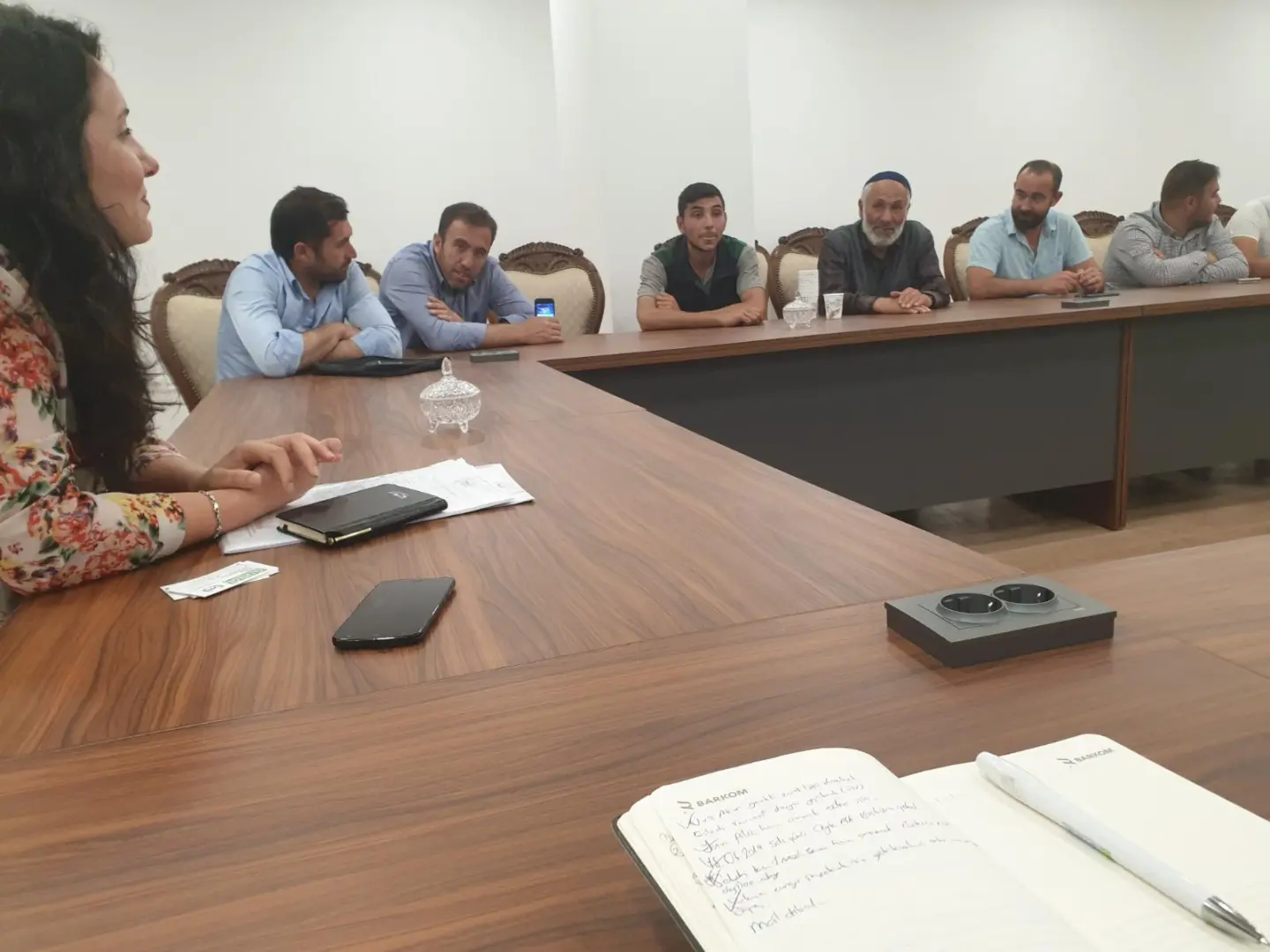
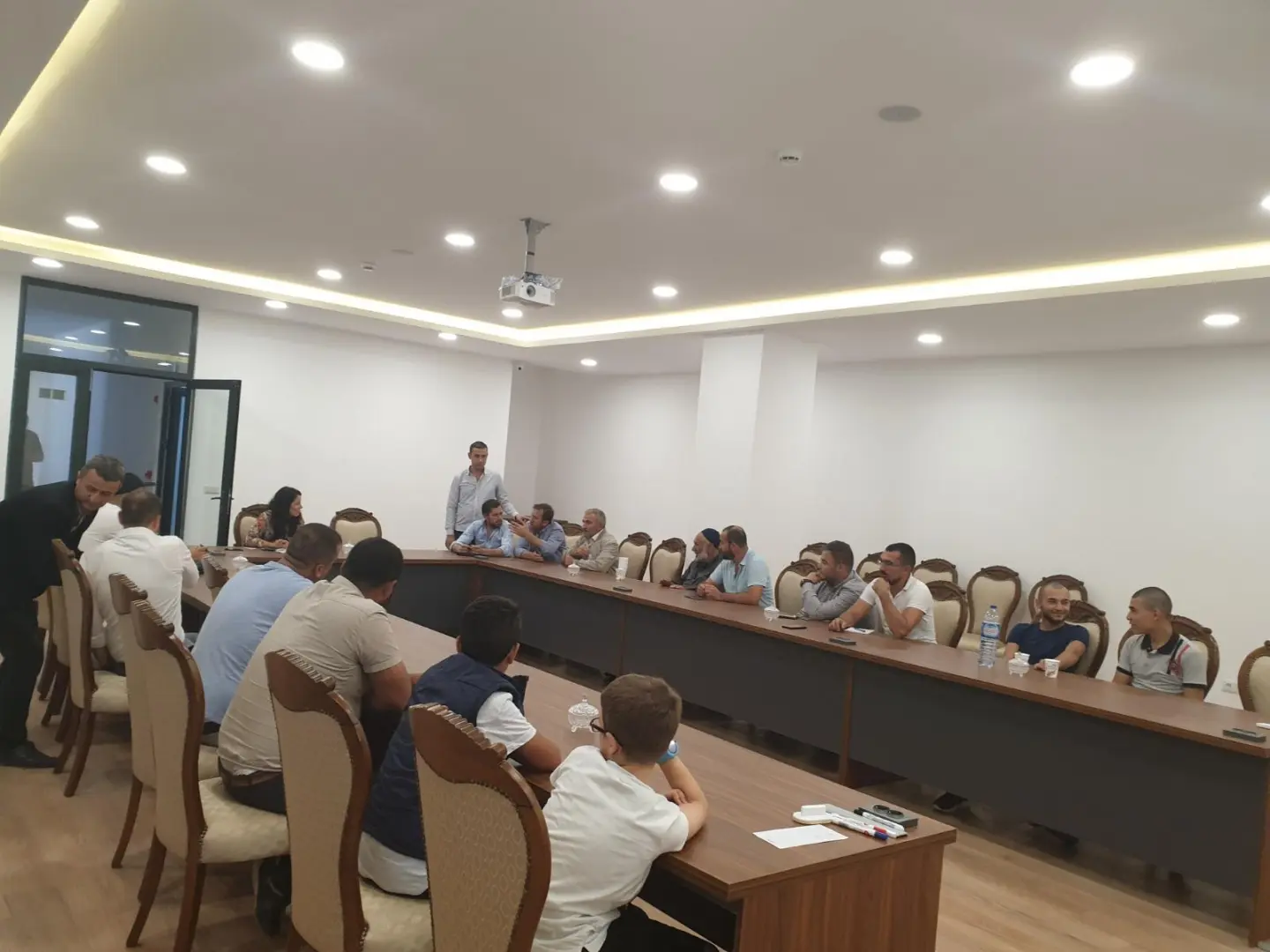
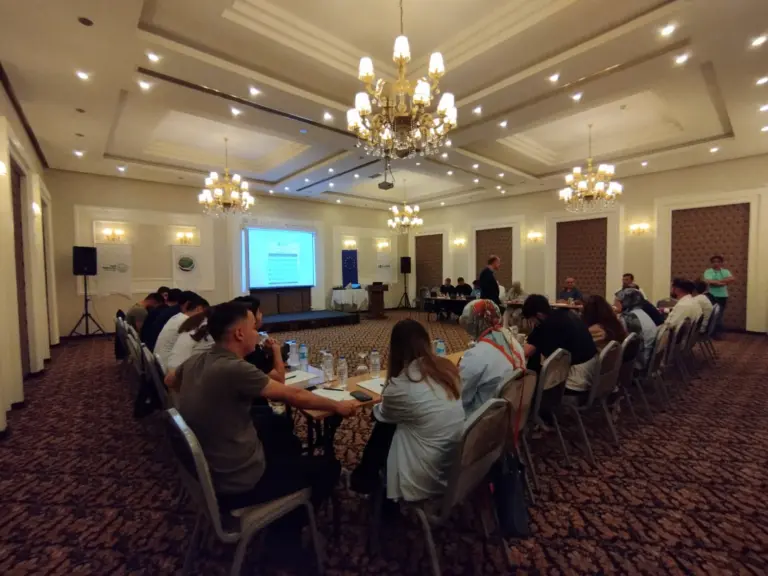
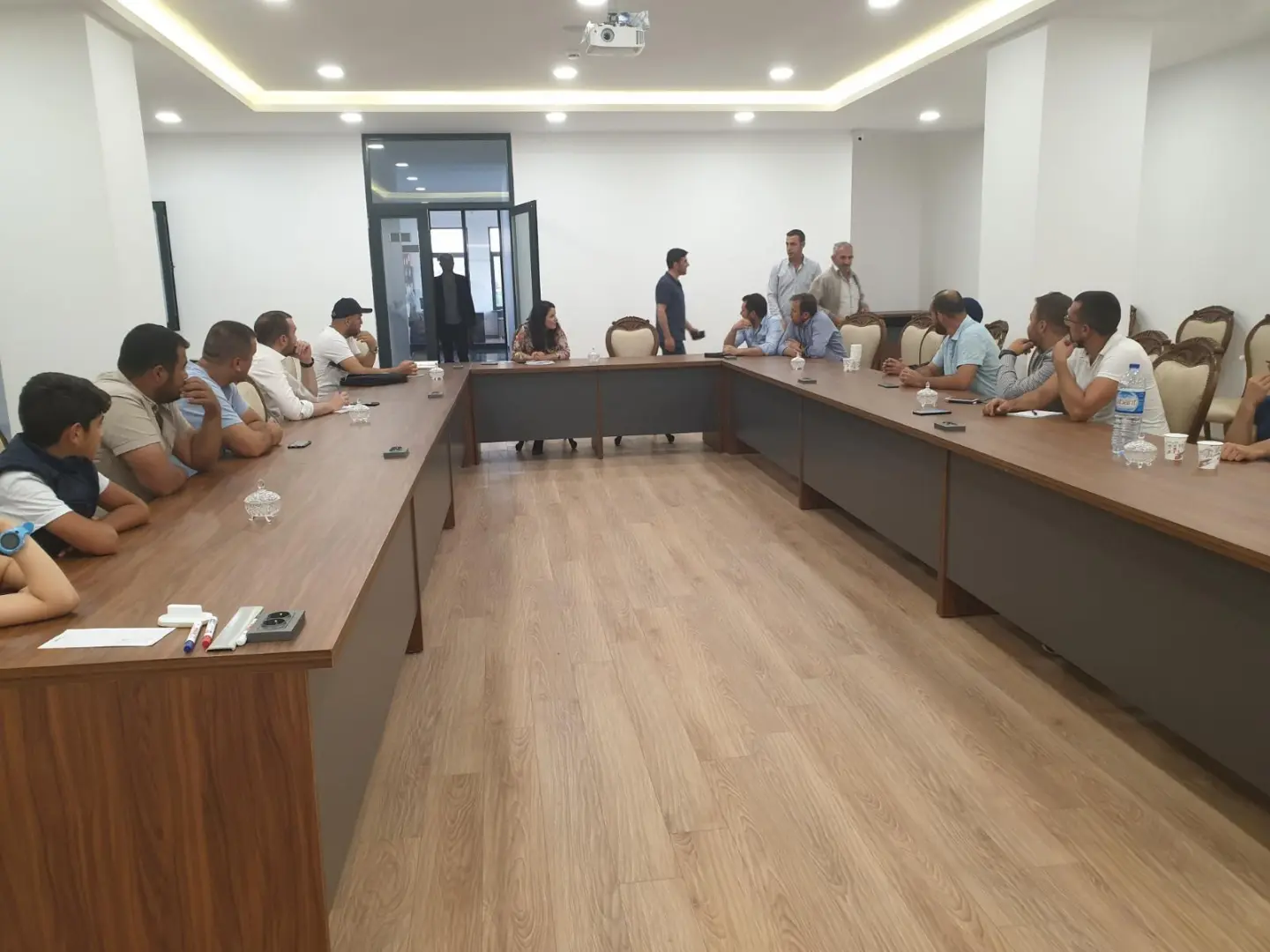
The Planning and Harvest Meeting held in Sakarya aims to bring together field data, producer experience and technological observations on common ground, so as to give the process extending from the planning period to harvest results a measurable, verifiable and sustainable structure.
The main objective of the meeting is to evaluate the methods applied throughout the production season together with harvest outputs, and to develop a shared and practicable roadmap for the next production period in light of the data obtained.
2. Scope and content of the activity
At the meeting, the planning and harvest process was discussed through producers' actual experiences in the field, and it was emphasised that precision farming is not just a technology investment but a culture of measurement, recording, planning and risk management.
At the meeting, which was based on evaluating harvest results together with decisions taken during the production process, the following topics came to the fore:
Input costs, planning errors and areas for savings
The effects of water and fertiliser use on harvest yield
How well-timed interventions are reflected in results
Parcel-based production approach and yield differences
Record-keeping, traceability and post-harvest evaluation
Areas for improvement based on field data and measurable targets
In line with the Agricultural Advocacy approach, problems were addressed in terms of the relationship between process, data and results rather than individuals or institutions, and the principle of defining practicable solution steps in the field for each finding was adopted.
3. Shared planning and harvest-focused roadmap for the Sakarya field area
At the meeting, the work to be carried out in the Sakarya field area was structured around three main workstreams covering the planning-implementation-harvest cycle:
Based on harvest data, the aim is to analyse parcel-level yield differences, input use and cost elements. The goal is to identify low-cost improvement points with high impact potential.
It is planned to link the records kept throughout the production season with harvest results, to standardise measurement, observation and recording processes, and to establish a sustainable record-keeping discipline that will improve the quality of producers' decisions.
The development of a model for disseminating good practices verified through the harvest in the field, via producer organisation and an advisory network, was put on the agenda.