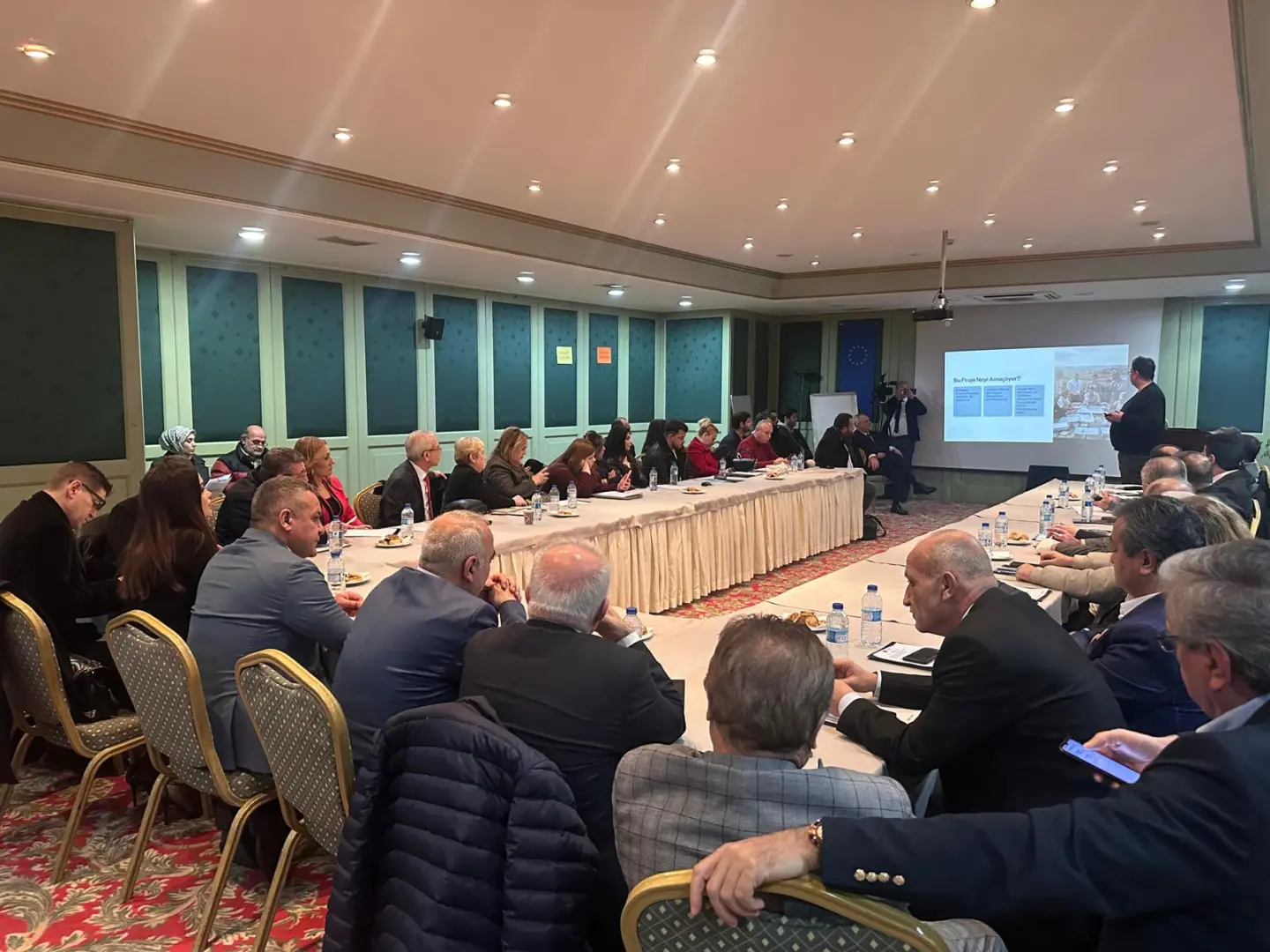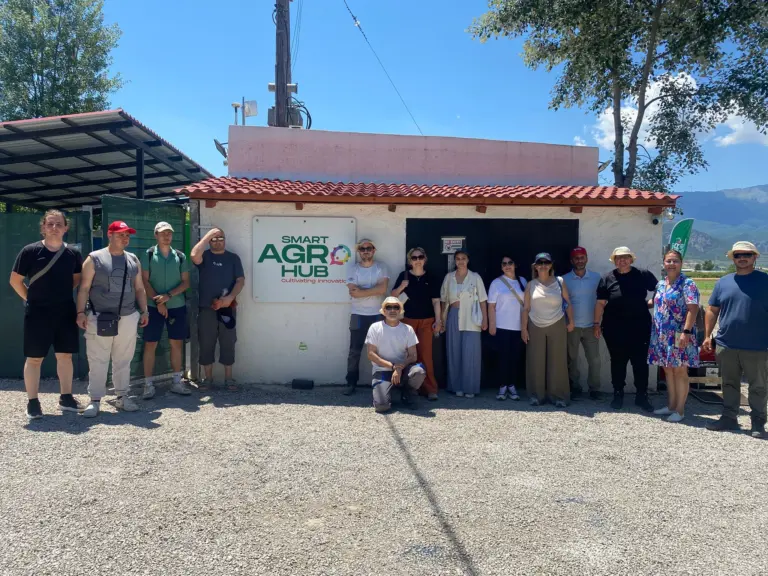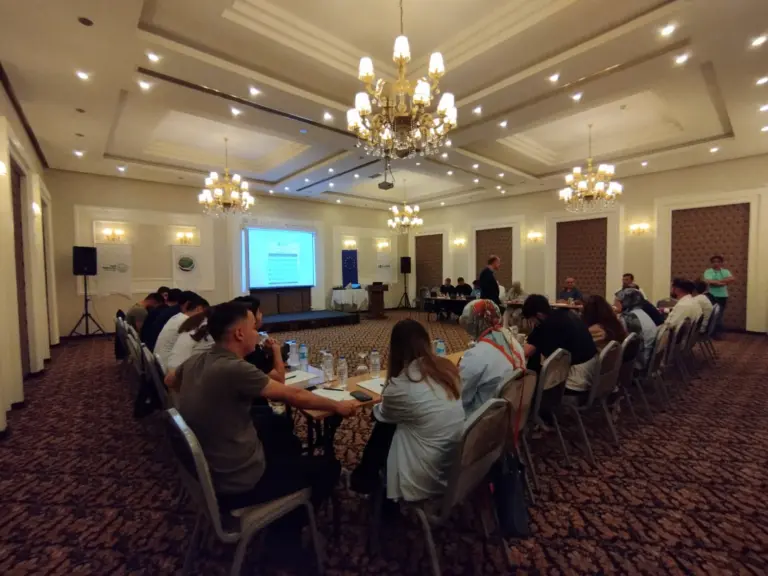
Key Discussion Topics and Regional Findings
I. National Framework and Approach of the Meeting
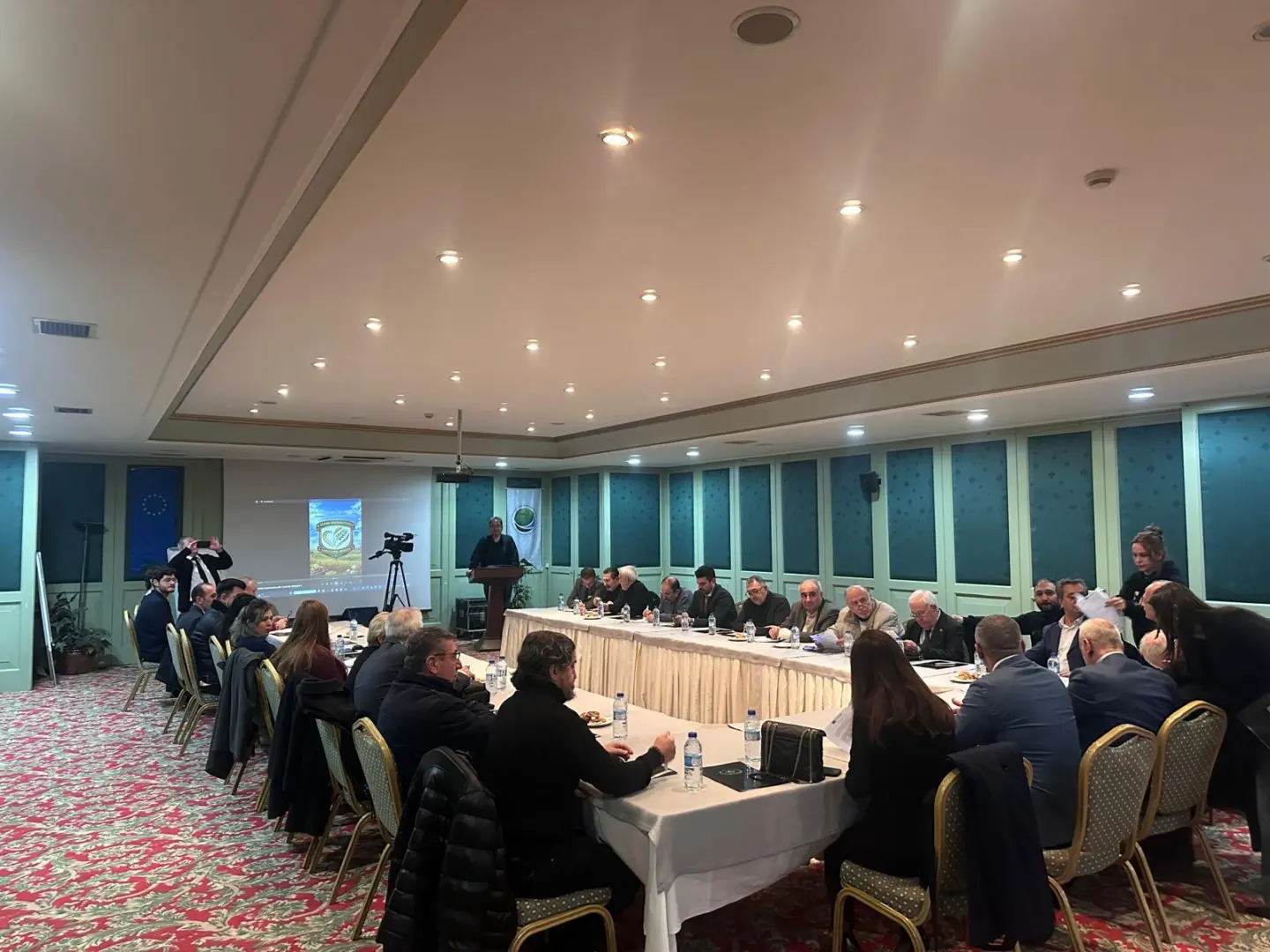
The meetings held at national level were shaped by the shared finding that agricultural production is not limited to the sowing and harvesting stages, and that sustainability is not possible unless planning, marketing, climate adaptation and policy coherence are ensured.
In the meetings, producer experiences from different basins were examined comparatively, and it became clear that regional problems in fact point to structural vulnerabilities shared across the country. In this context, the work aimed to establish a national review platform that is
based on data from the field,
rights-based,
climate-sensitive,
and addresses the production–harvest–marketing chain as a whole.
II. Advocacy and Rights-Based Agricultural Policies
The main view that came to the fore in the meetings was that agricultural policies should be placed within a permanent framework that recognises and safeguards producers' rights, instead of relying on temporary support mechanisms.
Farmers stated that, in the current system,
production decisions are largely made under market uncertainty,
protective mechanisms do not come into play during the harvest period,
and producers' bargaining power remains extremely weak at the marketing stage.
For this reason, advocacy was defined not merely as conveying demands, but as a continuous mechanism through which verifiable data from the field is carried into institutional decision-making processes.
III. Impacts of Climate Change on Agricultural Production (National Perspective)
The main impacts shared at national scale are as follows
Seasonal shifts disrupting sowing and harvest calendars,
Extreme temperatures increasing losses in yield and quality,
Irregular rainfall and drought turning water management into a critical planning issue.
In this framework, a strong consensus emerged that production and harvest plans that do not take climate data into account are economically and socially unsustainable.
IV. Structural Disconnects in the Planning–Harvest–Marketing Chain
One of the problems raised most frequently in the meetings was the structural mismatch between production planning and market conditions during the harvest period.
Farmers stated that
the absence of a guiding system indicating which crop should be sown, in what quantity and in which region,
leads to oversupply and price collapses during the harvest period,
and that production carried out without a marketing guarantee carries a higher risk every year.
Being unable to sell the product at its true value during the harvest period was regarded not only as a loss of income, but as a breaking point that could lead producers to withdraw from agriculture altogether.
V. Regional Assessments (5 Provinces)
1. Adana
In Adana, marketing problems and import pressure stand out despite high production potential. Although access to water is relatively strong, rising costs and inappropriate cropping patterns overshadow the yield advantage. Farmers stated that import policies have a discouraging effect on production, particularly for crops such as cotton and maize.
2. Şanlıurfa
In Şanlıurfa, production has become fragile due to climate stress and high input costs, despite the irrigation opportunities available. Despite large-scale production, weak marketing guarantees leave producers exposed to price fluctuations. Participation in the post-harvest value chain remains limited.
3. İzmir
In İzmir, while the potential for value-added products is high, shortcomings in market access and organisation stand out. Although medicinal and aromatic plants are produced, the products often remain unsold in farmers' hands because processing and sales channels are inadequate.
4. Sakarya
In Sakarya, market fluctuations and a lack of planning emerged as the main problems for small and medium-scale producers. Despite the region's climate advantage, the absence of crop-specific guidance and post-harvest planning leads to income instability.
5. Ankara
In Ankara, drought risk has become the determining factor in production. Participants emphasised that smart irrigation and precision farming practices have become a necessity. It was stated that traditional irrigation methods are unsustainable and that production risk will increase unless parcel-based measurement and data-driven planning are carried out.
VI. Common Views and Expectations at National Level
The common views that emerged at the end of the meetings are as follows
Farmers should be active partners in decision-making, not passive implementers of agricultural policies,
Planning and harvest processes should be handled in line with climate data and market realities,
Production cannot be sustainable without a marketing guarantee,
Advocacy mechanisms need to be institutionalised at national level.
Conclusion and General Assessment
This national review clearly showed that producer experiences from different basins point to common structural problems.
A strong consensus emerged that sustainability in agriculture is possible not merely by increasing production, but through rights-based policy, climate-adapted planning, a secure harvest and a strong marketing chain.
Continuing similar meetings in different basins in the coming period, and assessing the data obtained in a way that provides input to national agricultural policies, were regarded as a critical requirement for the future of agriculture in Türkiye.