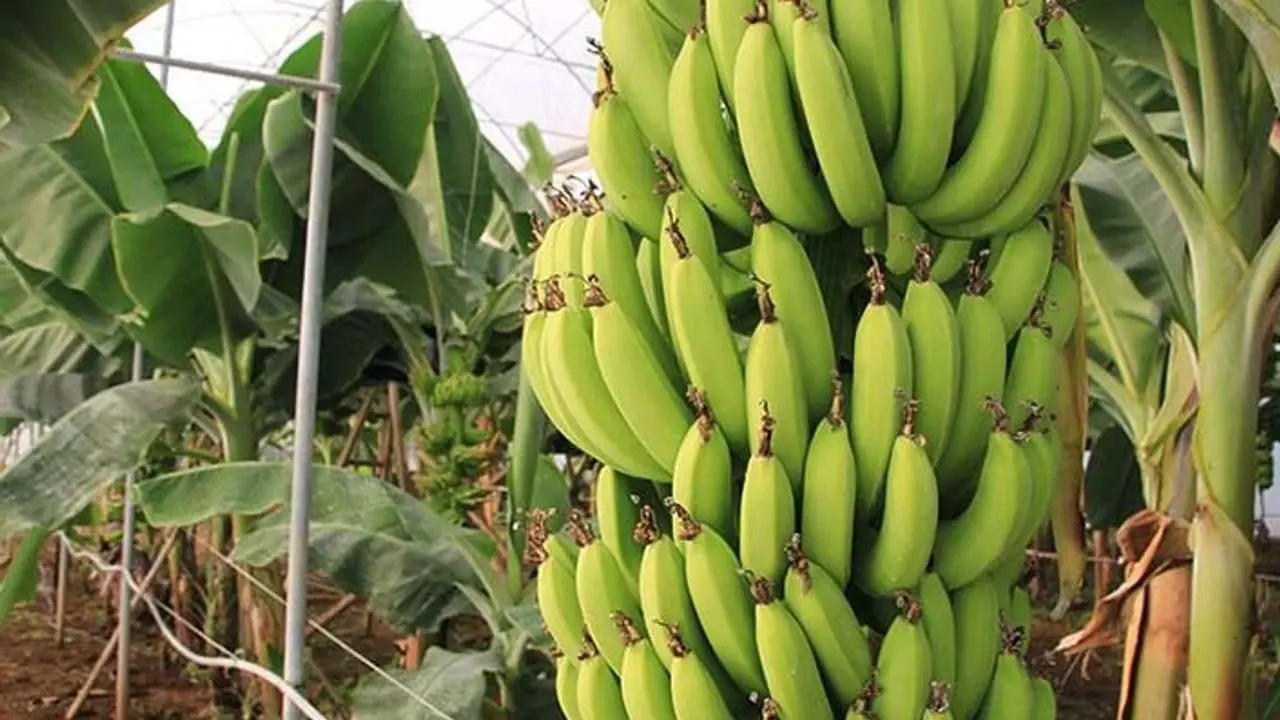
According to new research, almost two-thirds of banana-growing areas in Latin America and the Caribbean may be unsuitable for growing the fruit by 2080.
According to a new report by Christian Aid, rising temperatures, extreme weather and climate-related pests are hitting banana-growing countries such as Guatemala, Costa Rica and Colombia, reducing yields and devastating rural communities in the region.
Bananas, the world's most consumed fruit, are the fourth most important food crop globally after wheat, rice and maize. More than 400 million people get 15% to 27% of their daily calories from bananas.
Around 80% of banana exports, which supply supermarkets worldwide, come from Latin America and the Caribbean, one of the regions most vulnerable to extreme weather and climate disasters.
Aurelia Pop Xo, a 53-year-old banana grower in Guatemala, told Christian Aid researchers: “Climate change is killing our crops. This means we have no income because we can't sell anything. My plantation is dying.”
Bananas are known to be a sensitive fruit. They need a temperature between 15 and 35 degrees and a sufficient amount of water to thrive. The hurricanes frequently seen in the region tear apart the leaves of the banana plant, making it much harder for the plant to photosynthesise.
The climate crisis is directly damaging growing conditions and contributing to the spread of fungal diseases that are already destroying crops and livelihoods. Black leaf streak fungus can reduce the banana's ability to photosynthesise by 80% and thrives in wet conditions. This puts plants at risk in the event of flooding. Rising temperatures and changing rainfall patterns are making it even easier for another fungus, “fusarium tropical race 4”, a soil-borne pathogen that has been destroying entire banana plantations around the world, to proliferate.