
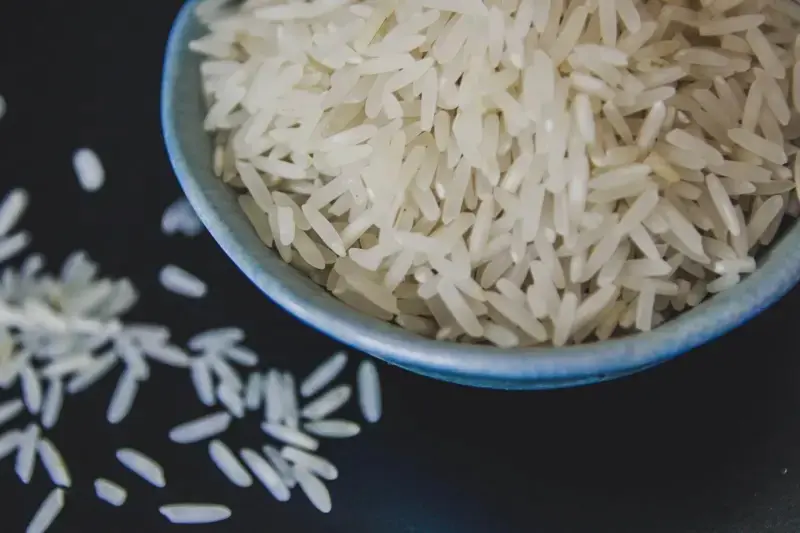
A new study on rice, the staple food of billions of people, suggests that climate change could increase arsenic levels in this grain.
The new finding put forward by scientists is worrying.
According to the results of this research, as carbon emissions increase and the world warms, arsenic levels in rice will also rise.
The presence of arsenic in rice is a long-known problem.
Almost all rice contains arsenic. This harmful, naturally occurring chemical can accumulate in paddy soil and pass into rice grains. However, the amounts found in rice grains vary: they can be well below the limits set by official bodies, or many times higher. Consuming even small amounts of inorganic arsenic through food or drinking water can lead to many health problems, such as cancer, cardiovascular diseases and diabetes. Researchers around the world are working on ways to reduce arsenic levels in rice. There are also cooking methods that can remove some of this harmful element. However, a new study examining inorganic arsenic accumulation has revealed that the problem could grow even larger due to climate change.
Researchers grew 28 different rice varieties in four different regions of China under experimental conditions over 10 years. They found that as atmospheric carbon dioxide (CO2) levels and temperatures rose, arsenic levels in rice also increased. Epidemiologists then modelled how this increase in arsenic could affect people's health at current levels of rice consumption. In China, this increase was estimated to lead to approximately 19.3 million additional cancer cases.